Understanding Paragliding Weather Conditions in Israel


Understanding Weather Conditions for Paragliding in Israel
Paragliding is an exhilarating sport that offers breathtaking views and a unique sense of freedom. In Israel, a country known for its diverse landscapes, understanding weather conditions is crucial for a safe and enjoyable paragliding experience. This guide will help you navigate the essential weather aspects to consider before taking off.
Wind Conditions
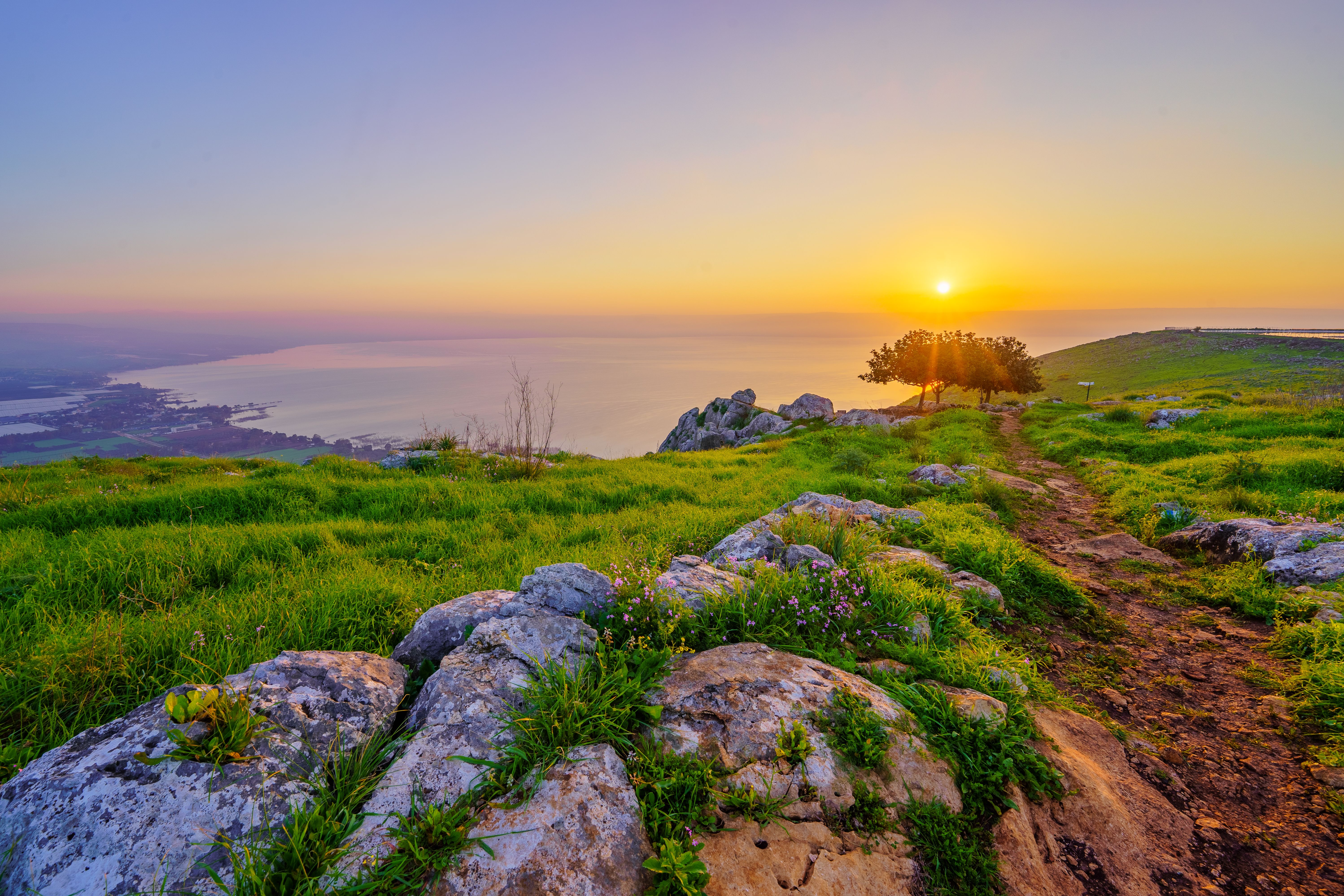
Wind is perhaps the most critical factor in paragliding. In Israel, the coastal areas such as Netanya and Mount Carmel offer excellent wind conditions for paragliding. Typically, a steady wind speed of 15-25 km/h is ideal. Pilots should avoid conditions where the wind exceeds 40 km/h as it can lead to turbulence, making flying dangerous.
It's essential to be aware of wind direction as well. Offshore winds, which blow from the land to the sea, can be particularly tricky and are best avoided by inexperienced pilots. Always check local wind forecasts before planning your flight.
Temperature and Thermals
Temperature plays a significant role in creating thermals, which are updrafts of warm air that paragliders use to gain altitude. In Israel, the desert areas offer strong thermals, especially in the Negev Desert during the spring and summer months. These conditions can provide thrilling flights for those seeking altitude.
However, strong thermals can be unpredictable and challenging for beginners. It's crucial to understand how to handle your glider in these conditions and to fly with experienced pilots if you're new to thermal flying.
Seasonal Considerations
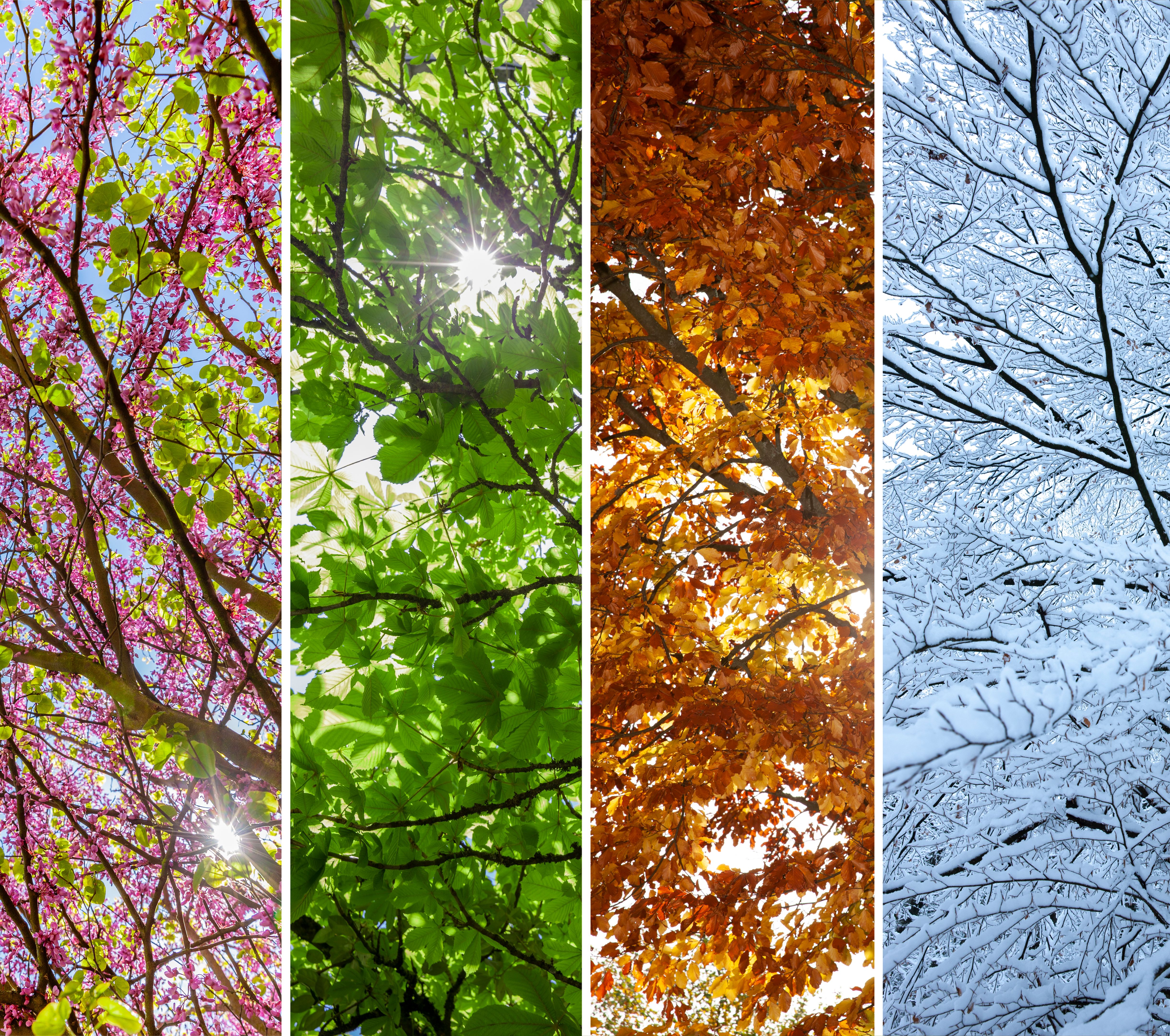
Israel's paragliding season generally runs from March to October, with the best months being April to June and September to October. During these times, the weather is usually stable, with predictable winds and mild temperatures. The summer months can be hot, especially in inland areas, so staying hydrated and using sun protection is important.
In the winter months, paragliding is still possible, particularly in the southern regions where the climate is milder. However, the likelihood of rain and storms increases, which can ground flights.
Rain and Visibility
Rain is a paragliding no-go. Wet conditions not only make takeoff and landing hazardous, but they can also affect the fabric of the glider, leading to decreased performance. Always check for rain forecasts and avoid flying if there's any chance of precipitation.
Visibility is another important factor. Poor visibility due to fog or sandstorms, especially in desert areas, can be dangerous. Clear blue skies are ideal, but a bit of cloud cover can also help in spotting thermals.
Local Knowledge and Resources
Connecting with local paragliding clubs and communities can provide invaluable insights into current weather conditions. Experienced pilots often have a deep understanding of local microclimates and can offer guidance on the best times and places to fly.
Make use of online resources such as weather apps and websites that offer real-time updates on wind speed, direction, and temperature. These tools can help you plan a safe and enjoyable paragliding adventure in Israel.