Top Tips for Safe Paragliding in Israel's Coastal Regions


Understanding the Basics of Paragliding
Paragliding is an exhilarating sport that offers a unique perspective of the world from above. In Israel's coastal regions, it combines the thrill of flight with breathtaking views of the Mediterranean Sea. However, before you take to the skies, it's essential to understand the basics and prioritize safety.
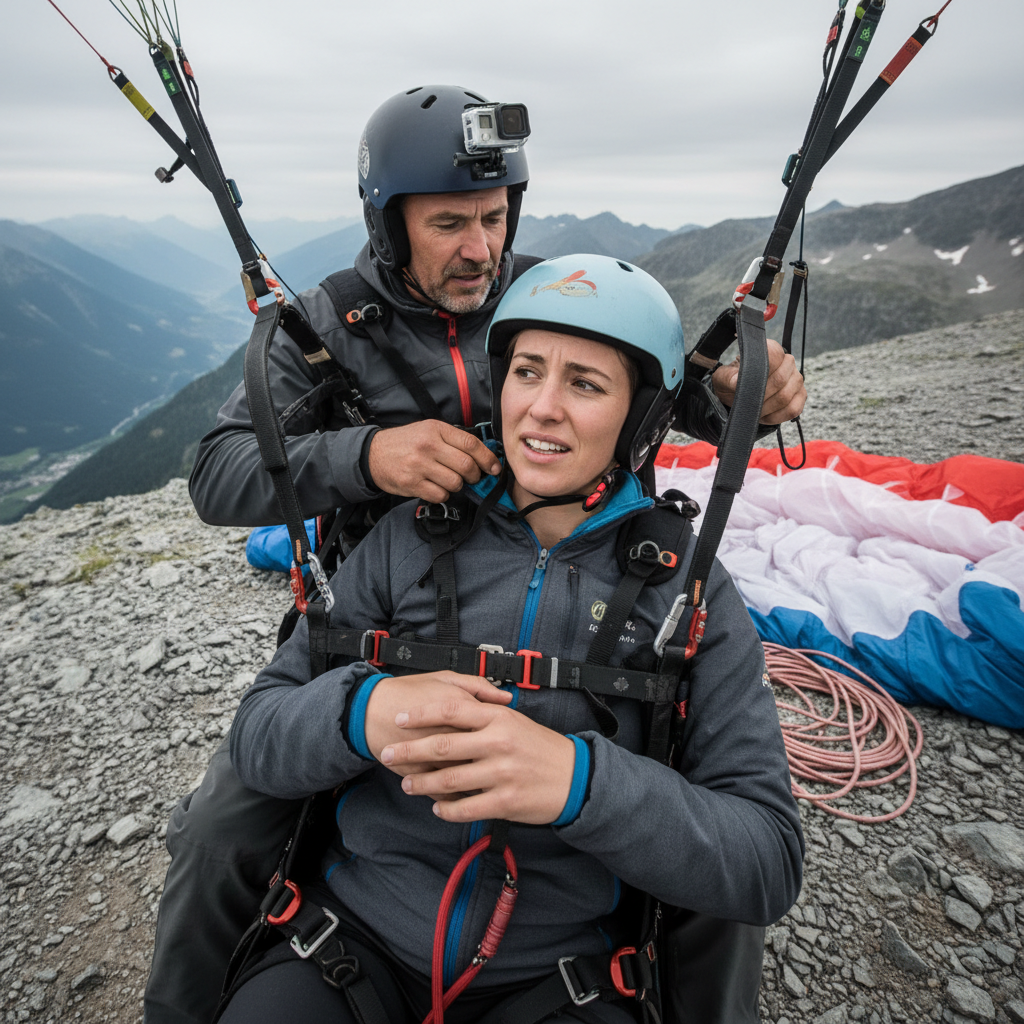
First and foremost, ensure you have the appropriate gear. This includes a certified paraglider, a harness, a helmet, and a reserve parachute. Investing in quality equipment can make a significant difference in both performance and safety.
Choosing the Right Location
Israel's coastal regions offer several popular paragliding spots. However, selecting the right location for your skill level is crucial. Beginners should start with areas that are known for stable winds and easy take-offs, such as Netanya or Herzliya.
For more experienced paragliders, the cliffs of Haifa and the beaches of Ashkelon provide a thrilling experience. Always check the weather conditions and wind patterns specific to the location you choose to ensure a safe flight.

Weather Considerations
Weather plays a critical role in paragliding safety. Coastal regions can experience sudden changes in wind speed and direction, making it vital to monitor weather forecasts closely. Avoid flying in turbulent or stormy conditions.
Utilize weather apps and local forecasts to stay informed. Remember, even seemingly mild conditions can change rapidly, so always err on the side of caution.
Time of Day
The time of day also affects paragliding conditions. Early morning and late afternoon typically offer more stable and predictable winds. Midday flights may encounter stronger thermal currents, which can be challenging for less experienced pilots.

Training and Certification
Before embarking on your paragliding adventure, proper training is essential. Enroll in a certified paragliding school to learn the fundamentals, including take-off, flight control, and landing techniques. Ensure that your instructor is experienced and reputable.
Obtaining a certification not only enhances your skills but also boosts your confidence. It is a requirement in many locations to ensure that all paragliders adhere to safety standards.
Continuous Learning
Even after initial training, continuous learning and practice are key to staying safe. Participate in workshops, join paragliding clubs, and exchange experiences with fellow pilots to keep improving your skills.
Safety Precautions
Implementing safety precautions is non-negotiable in paragliding. Always perform a thorough pre-flight check of your equipment, ensuring that all components are in good condition. Double-check your harness and lines before take-off.
Fly with a buddy or inform someone of your flight plan. In case of an emergency, having someone aware of your whereabouts is invaluable. Carry a communication device and know the emergency contact numbers for the area.
Respecting Nature
Lastly, always respect the natural environment. Follow local guidelines and regulations, and ensure that your activities do not harm wildlife or disrupt the ecosystem. Paragliding in harmony with nature not only protects the environment but also enhances the overall experience.