
Top Safety Tips for Your First Paragliding Experience


Understanding Paragliding Basics
Paragliding is an exhilarating sport that allows you to soar through the skies like a bird. However, before you take off, it's crucial to understand some basic principles of paragliding. This includes familiarizing yourself with the equipment, the mechanics of flight, and the conditions required for a safe launch and landing.
A typical paraglider consists of a canopy, harness, and lines. The canopy is crafted from lightweight fabric, while the harness keeps you securely attached. Understanding how these components work together is essential for a safe flight.
Choosing the Right Instructor
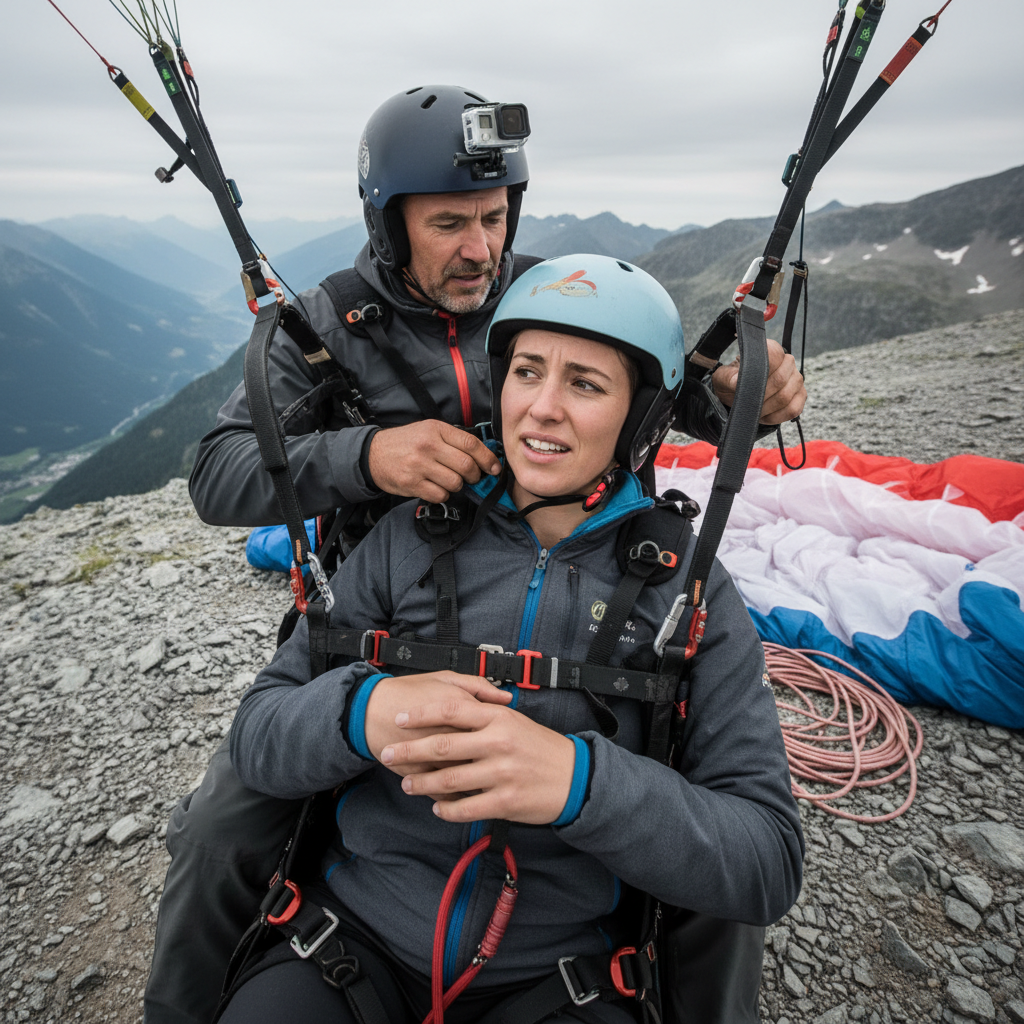
One of the most important steps in your paragliding journey is selecting a qualified instructor. A good instructor will not only teach you the technical skills needed but also instill confidence and safety awareness. Look for instructors with certifications from recognized paragliding associations and positive reviews from past students.
Don't hesitate to ask potential instructors about their experience and teaching philosophy. Remember, investing in a skilled instructor is investing in your safety and enjoyment.
Weather Conditions Matter
The weather plays a significant role in paragliding safety. Ideal conditions include clear skies, mild winds, and no precipitation. Always consult with your instructor regarding the best times to fly and be prepared to postpone if conditions are not suitable.
Understanding weather patterns and forecasts can significantly enhance your safety. Learn to recognize signs of changing weather and how they might affect your flight.

Pre-Flight Safety Checks
Before every flight, conduct thorough pre-flight checks. This includes inspecting your equipment for any signs of wear or damage. Ensure that all lines are untangled and the harness is secure. Verify that your radio communication system is working properly.
- Check canopy for tears.
- Ensure lines are free of knots.
- Test radio communication.
These checks can prevent accidents and ensure a smooth flight experience.
Understanding Flight Signals
Communication is key in paragliding, especially when flying in groups. Learn the standard flight signals used to communicate with other pilots and instructors. This includes hand signals and radio commands that help maintain order and safety in the air.

Emergency Procedures
While paragliding is generally safe, it's important to be prepared for emergencies. Familiarize yourself with emergency procedures such as deploying a reserve parachute and executing a safe landing if conditions become difficult.
Practice these procedures regularly with your instructor to build muscle memory and confidence. Being prepared can make all the difference in an unexpected situation.
Post-Flight Reflection
After each flight, take time to reflect on your experience. Discuss what went well and identify areas for improvement with your instructor. This reflection is crucial for continuous learning and enhancing your skills.
Documenting your flights and lessons learned can provide valuable insights and track your progress over time.

Stay Within Your Limits
Finally, always fly within your skill level. As tempting as it might be to push your limits, doing so can compromise safety. Gradually build your skills and confidence under the guidance of your instructor.
Remember, paragliding is a journey. Taking the time to learn and respect the sport will lead to more enjoyable and safer flights.