
Top 5 Paragliding Safety Tips for Beginners


Understanding the Basics
Paragliding is an exhilarating sport that offers breathtaking views and a sense of freedom like no other. However, for beginners, it's crucial to understand the basics to ensure a safe and enjoyable flight. Before taking off, familiarize yourself with the equipment and basic flight principles. Proper training from a certified instructor is essential to build a solid foundation.
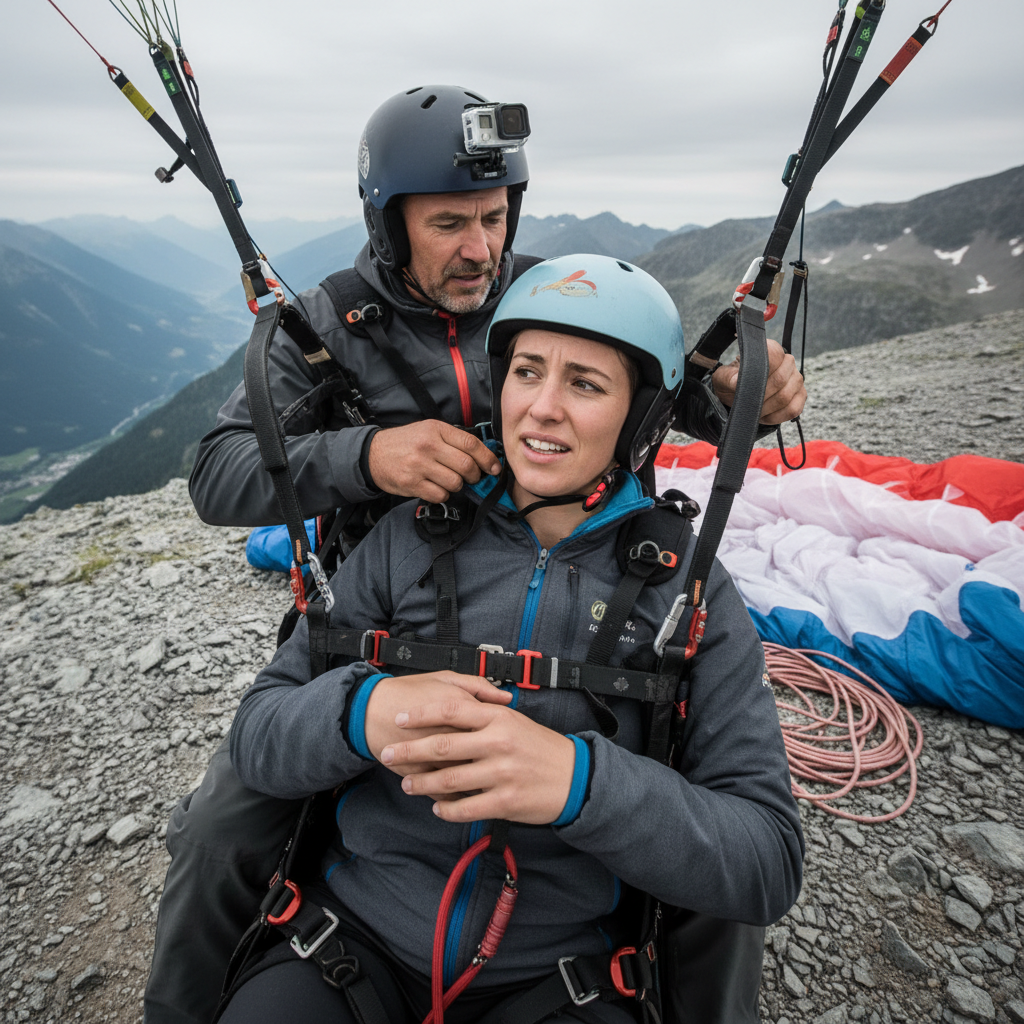
Choose the Right Gear
Your safety largely depends on having the right gear. Selecting a paraglider that suits your skills and weight is vital. Beginners should opt for a glider designed for novices, as these are more forgiving and easier to control. Additionally, ensure that your harness is comfortable and fits well, as it will be your primary support in the air.
Helmet and Protective Gear
Wearing a helmet is non-negotiable when paragliding. It protects your head in case of falls or collisions. Consider additional protective gear like knee and elbow pads, which can help prevent injuries during take-offs and landings.
Weather Awareness
Understanding weather conditions is crucial for a safe paragliding experience. Before heading out, check the weather forecast and avoid flying in adverse conditions such as strong winds, rain, or thunderstorms. Learning to read the sky and recognize patterns will help you anticipate changes and make informed decisions about when and where to fly.
Wind Conditions
Wind speed and direction play a significant role in paragliding safety. Beginners should avoid flying in winds stronger than 15 km/h. Always launch into the wind and be aware of potential changes in wind patterns during your flight.

Master the Launch and Landing
Proper launch and landing techniques are critical for paragliding safety. During take-off, ensure your glider is fully inflated and that you have a clear path ahead. Practice running smoothly to gain enough lift. For landing, choose a clear, open area and approach against the wind. Flare your glider at the right moment to reduce speed for a gentle touch-down.
Practice Makes Perfect
Repetition is key to mastering these techniques. Spend time practicing launches and landings under the guidance of an instructor to build confidence and skill.
Stay Informed and Updated
The world of paragliding is always evolving with new techniques and safety practices. Stay informed by joining paragliding clubs, attending workshops, and participating in online forums. Continuous learning will enhance your skills and keep you updated on the latest safety measures.

By following these top safety tips, beginners can enjoy the thrill of paragliding while minimizing risks. Remember, preparation and awareness are your best tools for ensuring a safe and unforgettable flying experience.