
The Best Seasons for Paragliding in Israel: What You Need to Know


Exploring Paragliding in Israel
Paragliding in Israel offers an exhilarating way to experience the country's diverse landscapes, from its vast deserts to stunning coastlines. Understanding the best seasons for this adventurous sport can significantly enhance your flying experience. Here’s what you need to know.
Spring: A Perfect Beginning
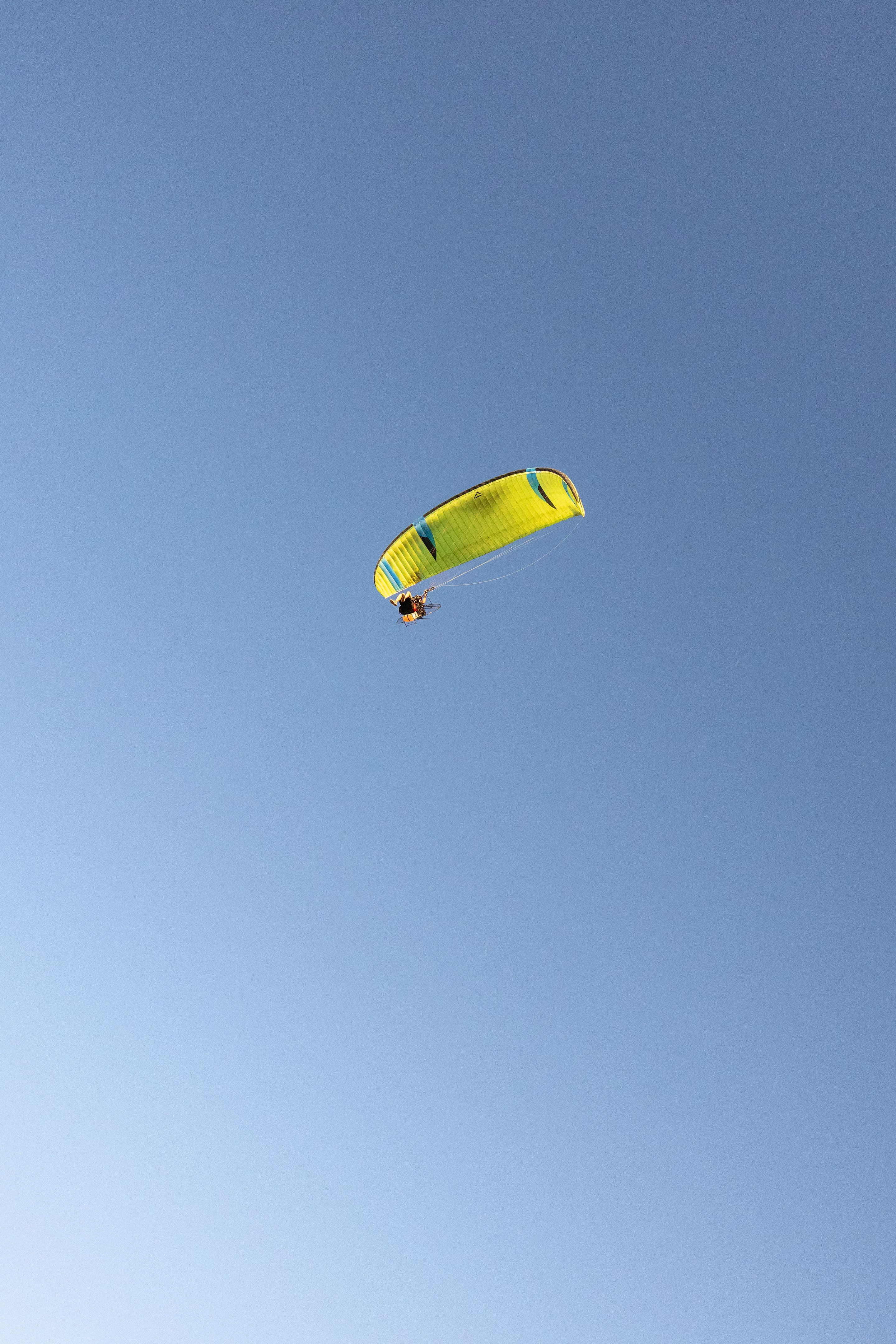
Spring, spanning from March to May, is one of the most popular seasons for paragliding in Israel. During this time, the weather is generally mild, and the skies are clear, providing ideal conditions for both beginners and experienced pilots. The lush landscapes add an extra layer of beauty to your flight experience.
In spring, many paragliding sites host events and competitions, attracting enthusiasts from around the world. It's a great time to meet fellow paragliders and learn from the best in the community.
Summer: Soaring High
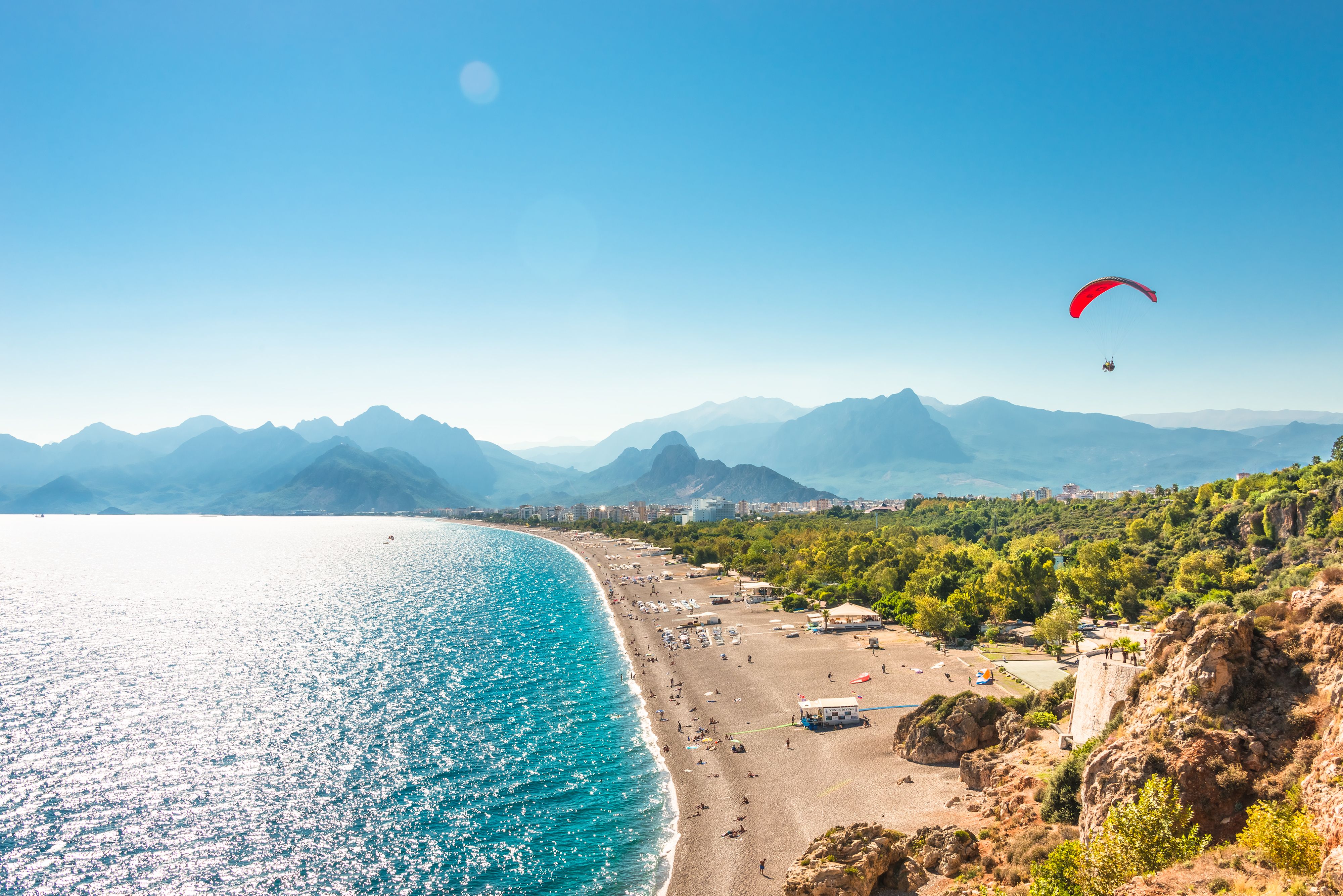
Summer, from June to August, offers long days and plenty of sunshine, perfect for those who love extended flying sessions. However, the temperatures can rise significantly, especially in inland areas. Coastal sites like Netanya provide a refreshing escape with cooler breezes and beautiful views of the Mediterranean Sea.
Be prepared for the heat and consider early morning or late afternoon flights to avoid the peak temperatures. Hydration and sun protection are crucial during this season.
Fall: The Ideal Transition
Fall, from September to November, is often considered the best time for paragliding in Israel. The weather cools down, and the winds are generally stable, offering superb flying conditions. This season also features vibrant landscapes as the foliage begins to change.
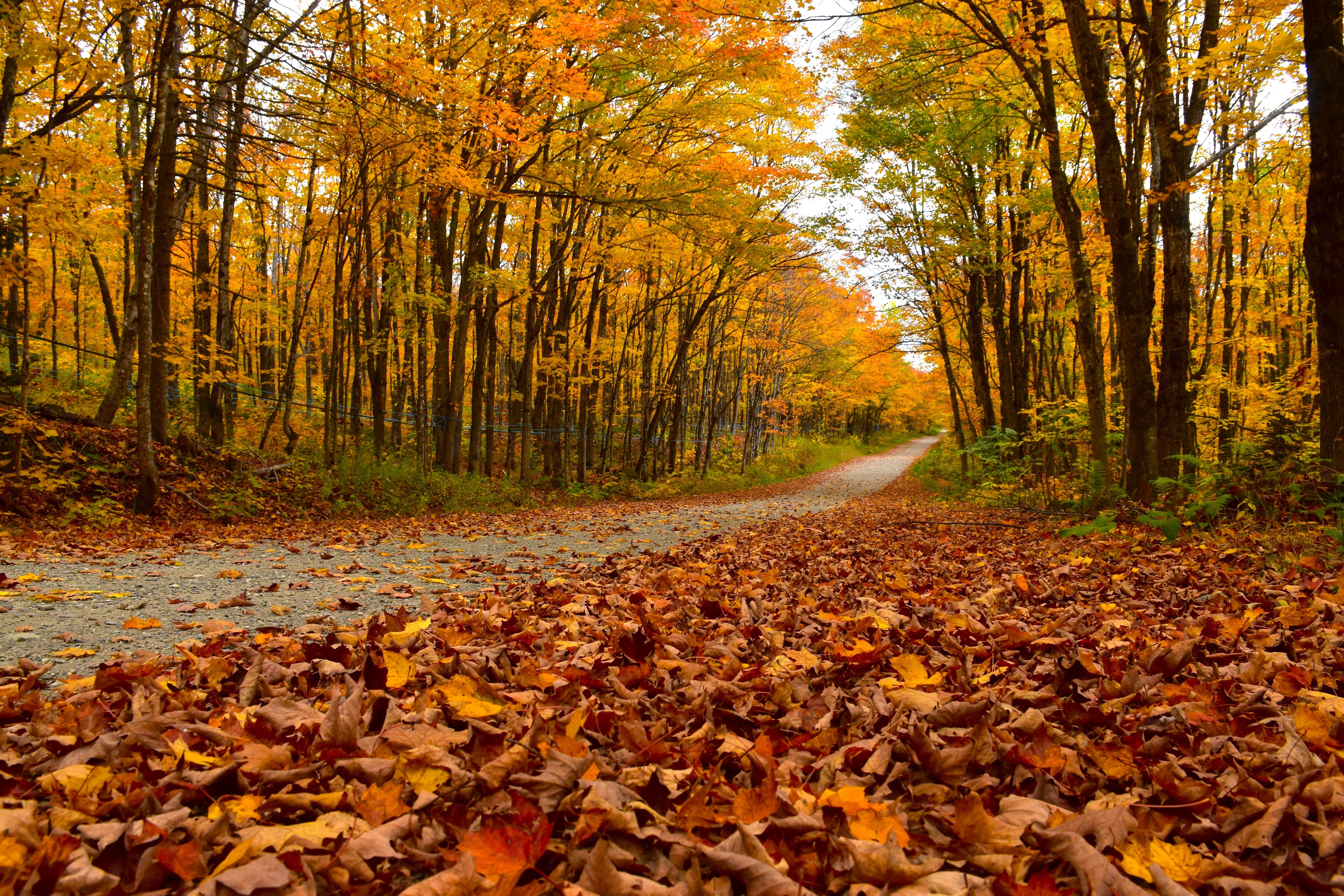
Fall is perfect for exploring diverse flying sites across the country, from the rolling hills of the Galilee to the dramatic cliffs of the Judean Desert.
Winter: A Unique Challenge
While winter (December to February) might not be the first choice for many paragliders, it presents a unique challenge for those willing to brave the colder conditions. Coastal areas often remain flyable, but inland sites can be more unpredictable due to rain and stronger winds.
Winter paragliding requires more advanced skills and preparation. It's essential to check weather forecasts and local advisories to ensure a safe and enjoyable experience.
Choosing the Right Gear
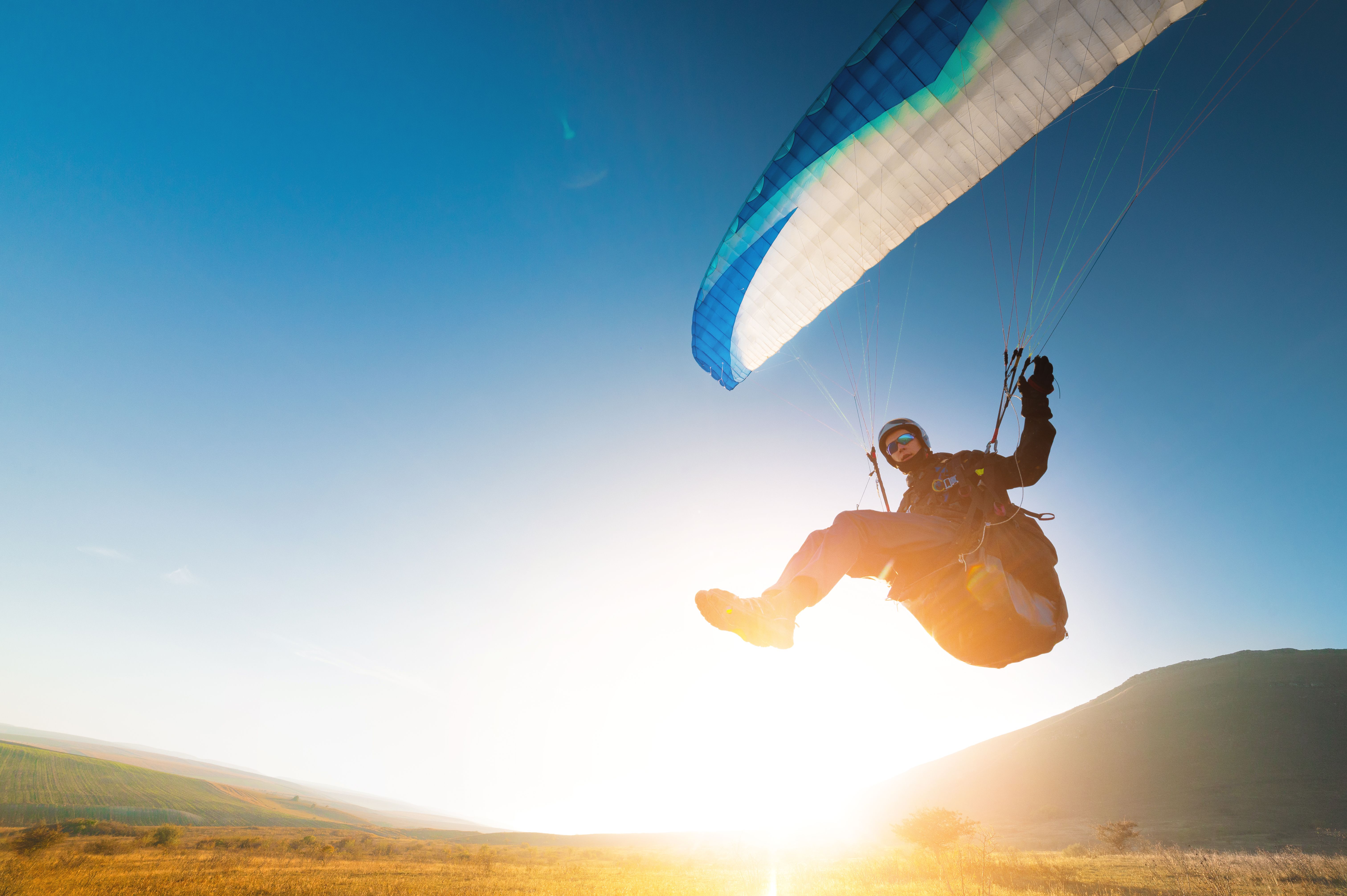
No matter the season, having the right equipment is crucial. Ensure your paraglider is suitable for the conditions you plan to fly in, and always carry essential safety gear. A reliable harness, helmet, and reserve parachute are must-haves for every flight.
Conclusion: Plan Your Adventure
Each season in Israel offers a unique paragliding experience, with its own set of challenges and rewards. Whether you're seeking the vibrant landscapes of spring and fall or the sunny skies of summer, understanding the best times to fly will help you make the most of your adventure.
Always prioritize safety and enjoy the breathtaking views that only a paraglider can provide. Happy flying!