
Seasonal Paragliding: What to Expect in Different Weather Conditions


Introduction to Seasonal Paragliding
Paragliding offers a unique perspective of the world, allowing you to soar like a bird and experience breathtaking views. However, the sport is heavily influenced by weather conditions, making it essential to understand how different seasons can affect your paragliding experience. Whether you're a seasoned flyer or a curious beginner, knowing what to expect can enhance your adventure.
Spring: Thriving Conditions
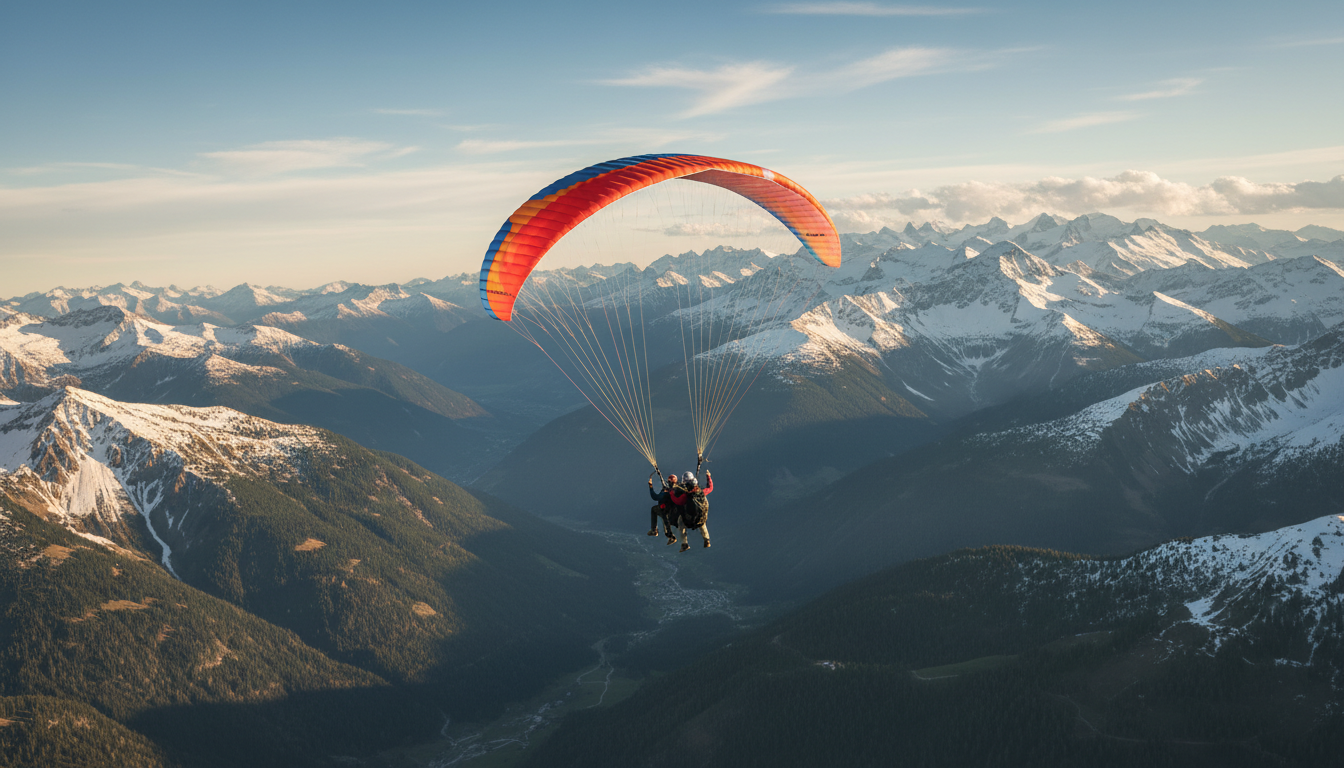
Spring is a fantastic time for paragliding. As the earth warms up, thermals become more prevalent, offering excellent lift. These rising columns of air can extend your flight duration and take you to greater heights. However, be cautious of spring's unpredictable weather patterns. Sudden rain showers or gusty winds can occur, so always check the weather forecast before heading out.
Another advantage of spring flying is the vibrant scenery. Blooming flowers and lush landscapes provide stunning backdrops for your aerial adventure. Make sure your gear is ready, as the changing temperatures might require different layers of clothing.
Summer: Smooth Sailing
Summer typically brings stable weather conditions, making it one of the most popular seasons for paragliding. Warm temperatures and consistent thermals offer smooth and enjoyable flights. This is also the peak season, so expect busier launch sites and landing zones.
While summer provides excellent conditions, it's crucial to stay hydrated and protect yourself from the sun. Wearing sunscreen, sunglasses, and a hat can prevent sunburn and heat exhaustion. Always keep an eye on the wind speed, as summer storms can develop rapidly, posing risks to flyers.
Autumn: Colorful Journeys
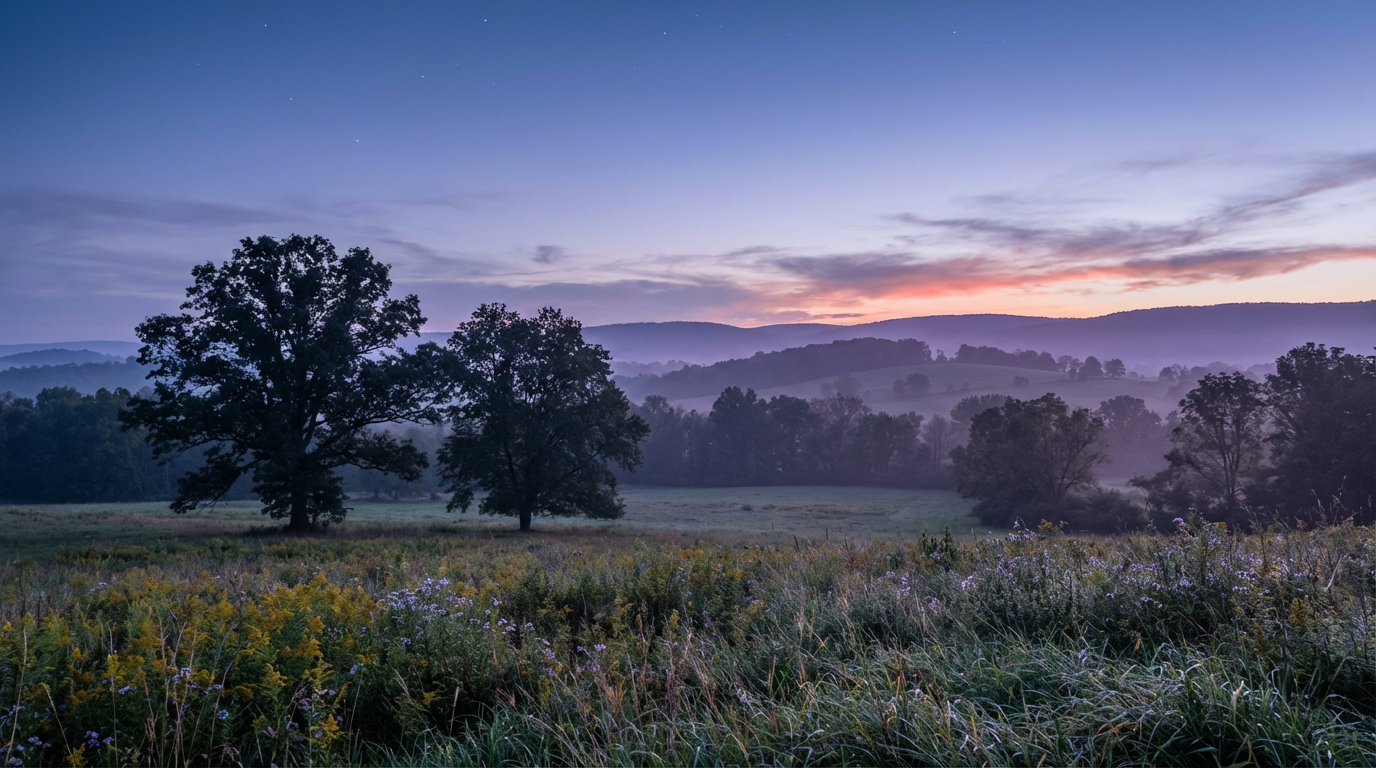
Autumn offers a distinct paragliding experience with its crisp air and stunning fall foliage. The cooler temperatures can make flying more comfortable, and the changing colors provide a picturesque view from above. Thermals are still present but may be weaker than in spring or summer.
Be mindful of shorter daylight hours and potentially stronger winds. It's essential to plan your flights accordingly to make the most of this beautiful season.
Winter: Challenges and Rewards
Winter paragliding is not for the faint-hearted but can be incredibly rewarding. The cold air is often more stable, providing smooth flights. However, the lack of thermals means shorter flight times. Winter scenery, with snow-covered landscapes, can be mesmerizing, offering a unique flight experience.
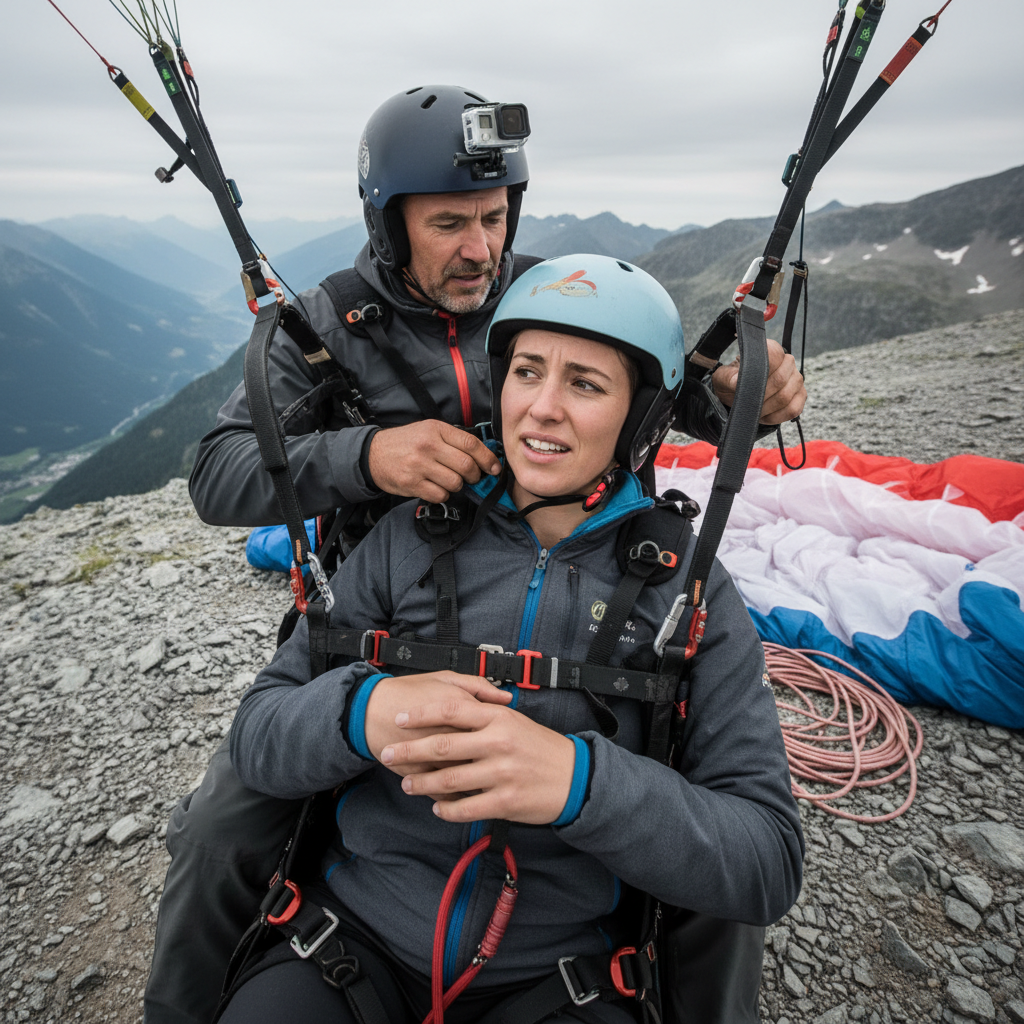
Proper gear is vital for winter flying. Insulated clothing, gloves, and a warm helmet are necessary to protect against the cold. Be aware of icy conditions at launch and landing sites, which can add an extra layer of challenge.
Conclusion: Preparing for Every Season
Understanding the nuances of each season is key to maximizing your paragliding experience. By preparing for the specific challenges and embracing the unique opportunities each season offers, you can enjoy safe and exhilarating flights year-round. Always prioritize safety by checking weather conditions and ensuring your equipment is in top condition.
Whether you’re gliding through spring blooms, summer skies, autumn leaves, or winter snowscapes, each season offers its own magic. Embrace the adventure, respect the elements, and let the winds guide your journey.