
Paragliding Safety Tips from Skyline Paragliding Experts


Understanding the Basics of Paragliding Safety
Paragliding is an exhilarating sport that allows you to soar through the skies like a bird. However, with this adventure comes the responsibility of ensuring your safety. At Skyline Paragliding, our experts emphasize the importance of understanding the fundamentals of safety before taking off. By familiarizing yourself with these key tips, you can enjoy a safe and thrilling flight.
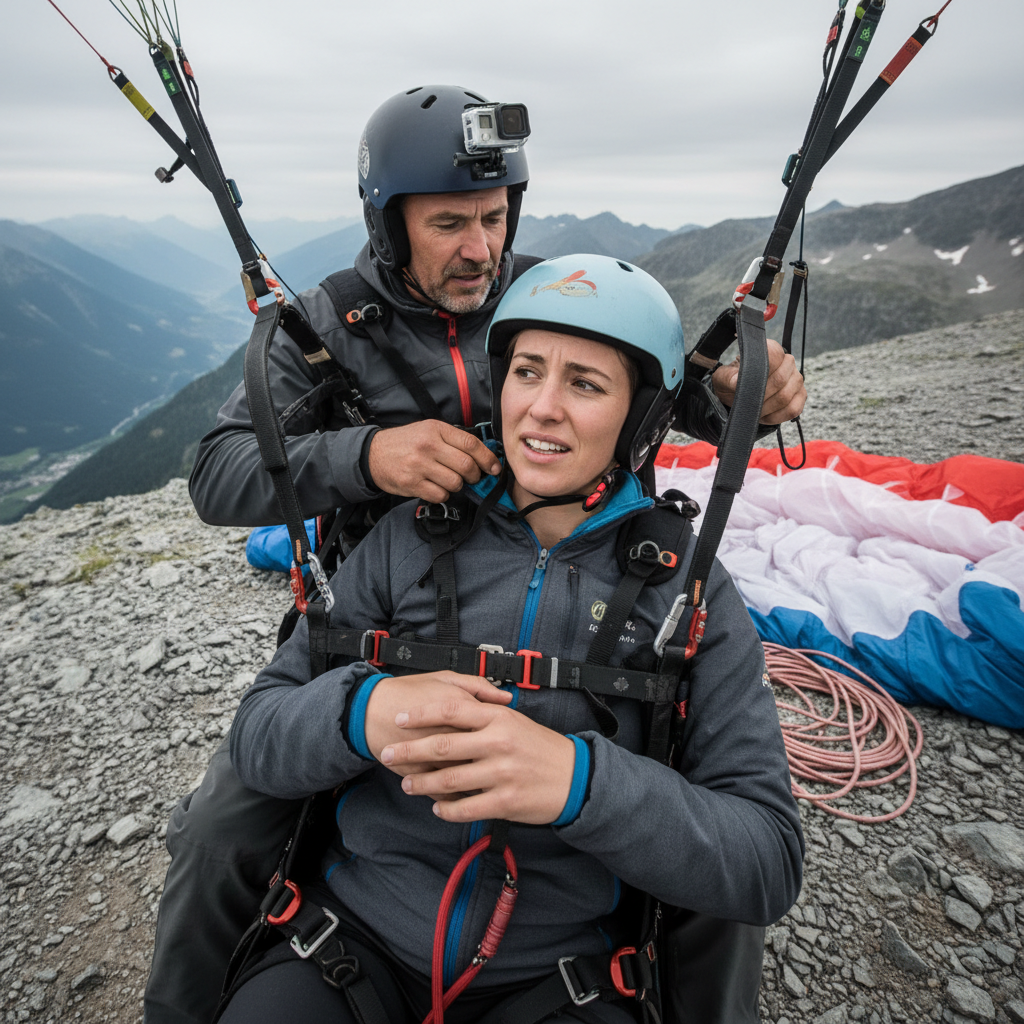
Before you even take to the skies, it’s crucial to understand the equipment you’ll be using. Make sure to inspect your gear thoroughly. Check the harness, wing, and lines for any signs of wear and tear. Remember, your equipment is your lifeline, and regular maintenance is essential.
Weather Conditions: Friend or Foe?
Weather plays a significant role in paragliding safety. Always consult a reliable weather forecast before planning your flight. Look for clear skies and stable winds. Avoid flying in turbulent weather conditions such as thunderstorms, strong winds, or rain, as these can drastically increase the risk of accidents.
Understanding local weather patterns can also enhance your safety. Pay attention to wind direction and speed, and always be prepared to adjust your plans if conditions change unexpectedly.
Pre-Flight Checklist
Before every flight, perform a comprehensive pre-flight checklist. This should include:
- Inspecting all equipment for damage
- Ensuring your harness fits correctly
- Verifying weather conditions
- Communicating your flight plan with a ground crew or fellow pilots

Mastering Paragliding Techniques
To ensure safety, mastering basic paragliding techniques is essential. Start with proper take-off and landing practices. During take-off, ensure you have a clear runway and that your wing is fully inflated. For landing, aim for a safe, open space and practice flaring techniques to reduce speed.
Another crucial skill is active piloting, which involves making real-time adjustments to your flight path. This technique helps in managing unexpected changes in wind patterns and maintaining control over your flight.

Emergency Preparedness
No matter how well-prepared you are, emergencies can still occur. Always be ready to execute emergency maneuvers. Practice deploying your reserve parachute so it becomes second nature. Familiarize yourself with emergency landing procedures, and never hesitate to abort a flight if conditions become unsafe.
Additionally, carrying a first-aid kit and a communication device can be lifesaving in emergencies. Ensure your phone or radio is fully charged before each flight.
Continuous Learning and Certification
Safety in paragliding is an ongoing process of learning. Participating in workshops, taking advanced courses, and regularly flying with experienced pilots can significantly enhance your skills. Certification from a reputable paragliding school ensures that you are equipped with the necessary knowledge and techniques.
Finally, always adhere to local regulations and guidelines. Respecting these rules not only ensures your safety but also that of others sharing the sky with you.
By following these safety tips from Skyline Paragliding experts, you can enjoy the thrill of paragliding while minimizing risks. Remember, the sky is a beautiful place when you approach it with respect and preparation.