
Paragliding Safety Tips from Skyline Paragliding Experts


Understanding the Basics of Paragliding Safety
Paragliding offers an exhilarating experience, but safety should always be a top priority. At Skyline Paragliding, we emphasize the importance of understanding the fundamentals before taking to the skies. A strong foundation in safety can significantly enhance your flying experience.
Before embarking on your paragliding adventure, ensure you have undergone proper training with certified instructors. They will teach you the necessary skills and techniques to handle various situations you might encounter during flight.
Pre-Flight Checks
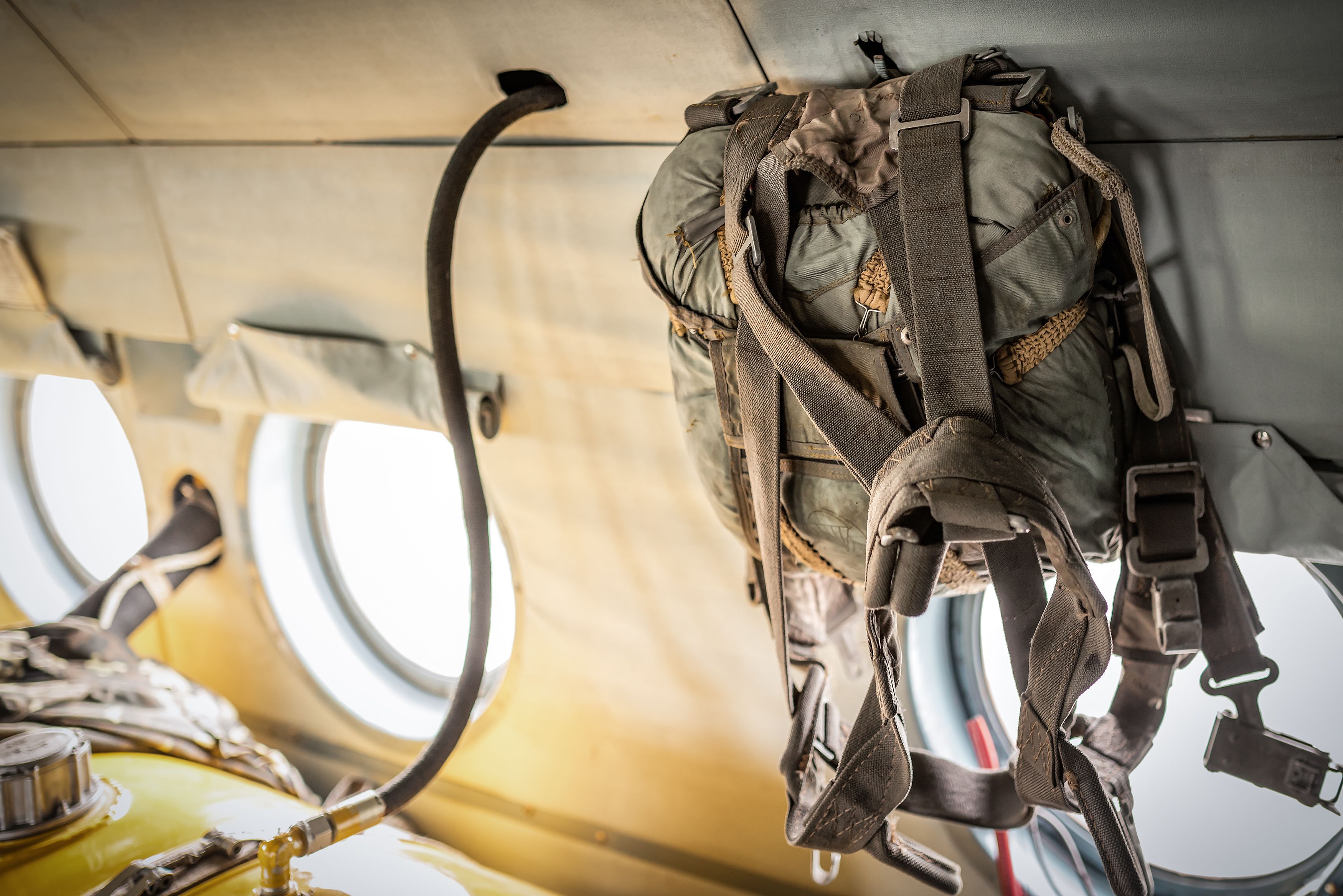
Conducting thorough pre-flight checks is crucial. Always inspect your equipment, including the harness, lines, and canopy. Look for any signs of wear or damage. If you notice anything suspicious, it's better to delay your flight than risk your safety.
In addition to equipment checks, assess the weather conditions. Strong winds, rain, or poor visibility can make paragliding dangerous. Use reliable weather sources to get up-to-date information and always err on the side of caution.
Choosing the Right Gear
Having the right gear is essential for a safe paragliding experience. Start with a helmet that fits snugly and is designed specifically for paragliding. A well-fitted harness is also vital as it provides support and comfort during the flight.

Consider investing in a reserve parachute. In the unlikely event of an emergency, a reserve parachute can be a lifesaver. Make sure you know how to deploy it and have practiced this action during your training.
Understanding Airspace Regulations
Familiarizing yourself with airspace regulations is not just about following the law; it's about ensuring your safety and that of others. Different regions have specific rules, and it’s your responsibility to know them before you fly.
Pay attention to restricted areas and flight zones. Always carry a map or a GPS device to help you navigate and avoid entering prohibited airspace inadvertently.

Emergency Preparedness
Even with the best preparation, unexpected situations can arise. Knowing how to react swiftly and calmly is crucial. Practice emergency drills regularly, such as landing in difficult terrain or handling equipment malfunctions.
Ensure you have a reliable means of communication, like a radio or a mobile phone, to contact emergency services if necessary. Inform someone of your flight plan, including your expected takeoff and landing times.
Continuous Learning and Improvement
Paragliding is a sport where continuous learning can significantly enhance both safety and enjoyment. Regularly attend refresher courses and stay updated with the latest safety techniques and equipment advancements.
Join paragliding communities to share experiences and learn from others. Fellow enthusiasts can provide valuable insights and tips that can help you become a more skilled and safer pilot.
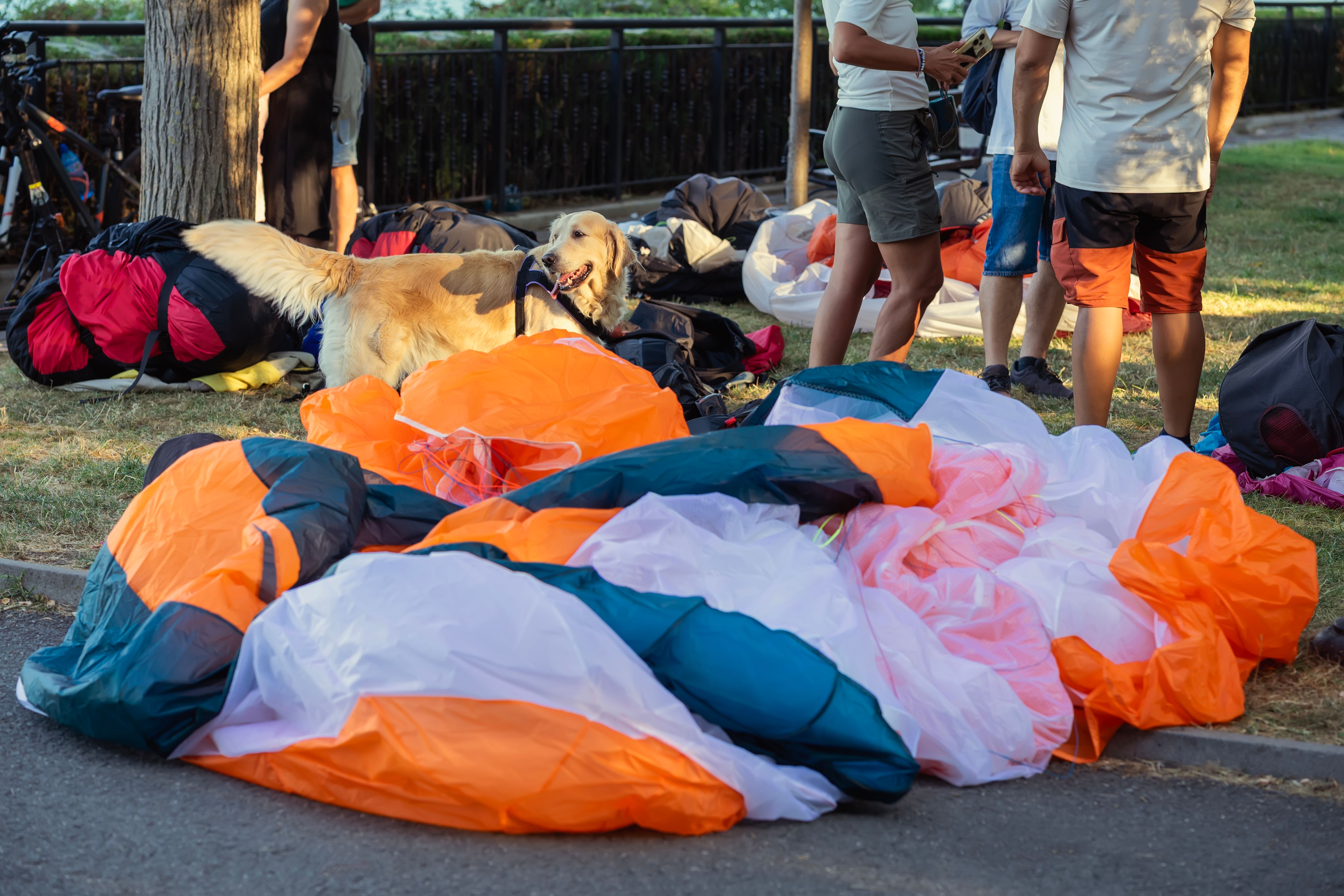
By following these safety tips from Skyline Paragliding experts, you can enjoy the thrill of paragliding while minimizing risks. Remember, the sky is the limit, but safety should always be your guiding principle.