
Paragliding Safety Tips: What You Need to Know


Understanding Paragliding Basics
Paragliding offers an exhilarating experience, soaring through the skies with breathtaking views below. However, like any adventure sport, safety is paramount. Understanding the basics can make a significant difference in ensuring a safe flight. Before you take off, familiarize yourself with the equipment, weather conditions, and your flight plan.
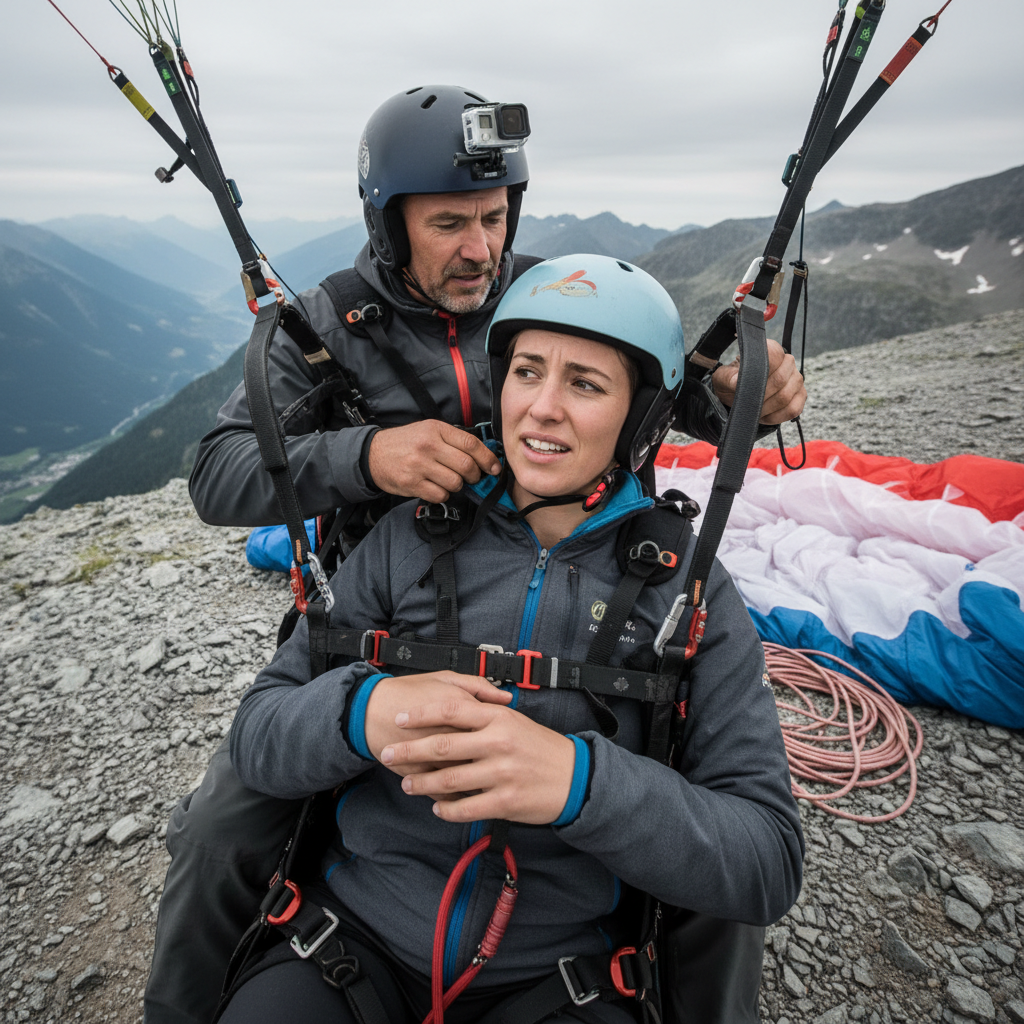
One of the first steps in paragliding safety is selecting the right equipment. Ensure your gear fits well and is in excellent condition. Regularly inspect your paraglider, harness, and helmet for any signs of wear and tear. Investing in quality equipment can prevent potential accidents.
Weather Awareness
Weather conditions play a crucial role in paragliding. Always check the weather forecast before heading out. Ideal conditions include clear skies, gentle winds, and no signs of an approaching storm. Avoid flying during turbulent weather, as it can lead to unpredictable and dangerous situations.

Understanding wind patterns is another essential aspect. Strong winds can be hazardous, so ensure you're aware of the wind speed and direction before taking off. Many paragliding accidents occur due to unexpected gusts and changing weather conditions.
Training and Experience
Proper training is vital for safe paragliding. Beginners should enroll in certified courses to learn the necessary skills and techniques. These courses cover everything from launching and controlling the glider to landing safely. Experienced instructors can offer valuable insights and tips.
Even after completing a course, continuous practice is essential. Each flight provides a learning opportunity, helping you become more adept at handling various scenarios. Confidence comes with experience, but always prioritize caution over bravado.
Pre-Flight Checks
Before every flight, conduct a thorough pre-flight check. This routine should include inspecting your gear, checking weather conditions, and confirming your flight plan. Attention to detail can help prevent mishaps.
- Inspect your glider for any damage.
- Ensure your harness and helmet are secure.
- Review the weather conditions and wind patterns.
- Communicate your flight plan to someone on the ground.
Emergency Preparedness
Being prepared for emergencies is a crucial part of paragliding safety. Know how to react if things don't go as planned. Carry a radio or mobile device to stay in touch with ground support. Additionally, learning basic first aid can be beneficial.
Having a reserve parachute is essential. Ensure you know how to deploy it and practice this skill regularly. In the event of a rapid descent, a reserve parachute can be a lifesaver.
Respect the Environment
Finally, always respect the environment and local regulations. Avoid flying in restricted areas and be mindful of wildlife. By doing so, you contribute to the sustainability of the sport and ensure it remains a thrilling activity for future generations.
Paragliding is an incredible experience, but safety should always be your top priority. By following these tips and continuously learning, you can enjoy the skies with peace of mind.