
Paragliding Safety Tips: Ensuring a Safe Flight


Understanding the Basics of Paragliding Safety
Paragliding offers an exhilarating way to experience the skies, but ensuring a safe flight is paramount. Before taking off, it's crucial to understand the fundamental aspects of paragliding safety. This includes being aware of weather conditions, having the appropriate gear, and understanding the terrain you will be flying over.
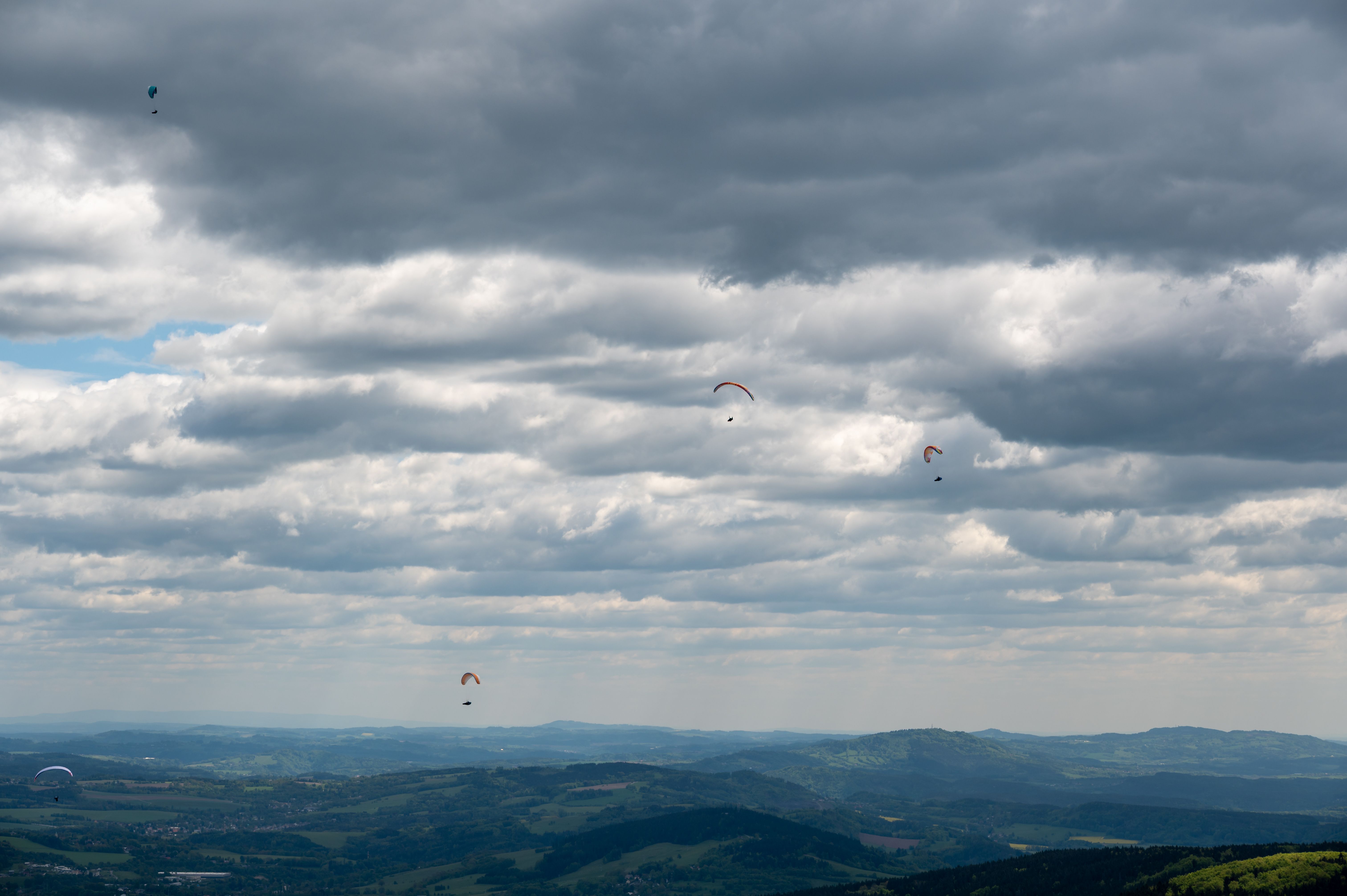
Weather plays a significant role in paragliding safety. Always check the forecast and pay attention to wind speed and direction. Flying in turbulent weather can be dangerous, so it's essential to wait for ideal conditions. Safety should always come first.
Pre-Flight Preparations
Before you launch, thorough pre-flight preparations are necessary. Start with a comprehensive gear check. Ensure your harness, helmet, and parachute are in excellent condition. A damaged or faulty piece of equipment can lead to serious accidents.
Another critical aspect is the pre-flight safety briefing. Whether you are flying solo or with a group, discussing the flight plan, emergency procedures, and landing zones is vital. This ensures everyone is on the same page and prepared for any situation that may arise.
Checking Your Gear
Your gear is your lifeline when paragliding. Here’s a checklist to help you prepare:
- Inspect your paraglider for any tears or damage.
- Ensure your helmet fits properly and is undamaged.
- Check the harness for signs of wear and tear.
- Verify that your reserve parachute is correctly packed and accessible.
During the Flight
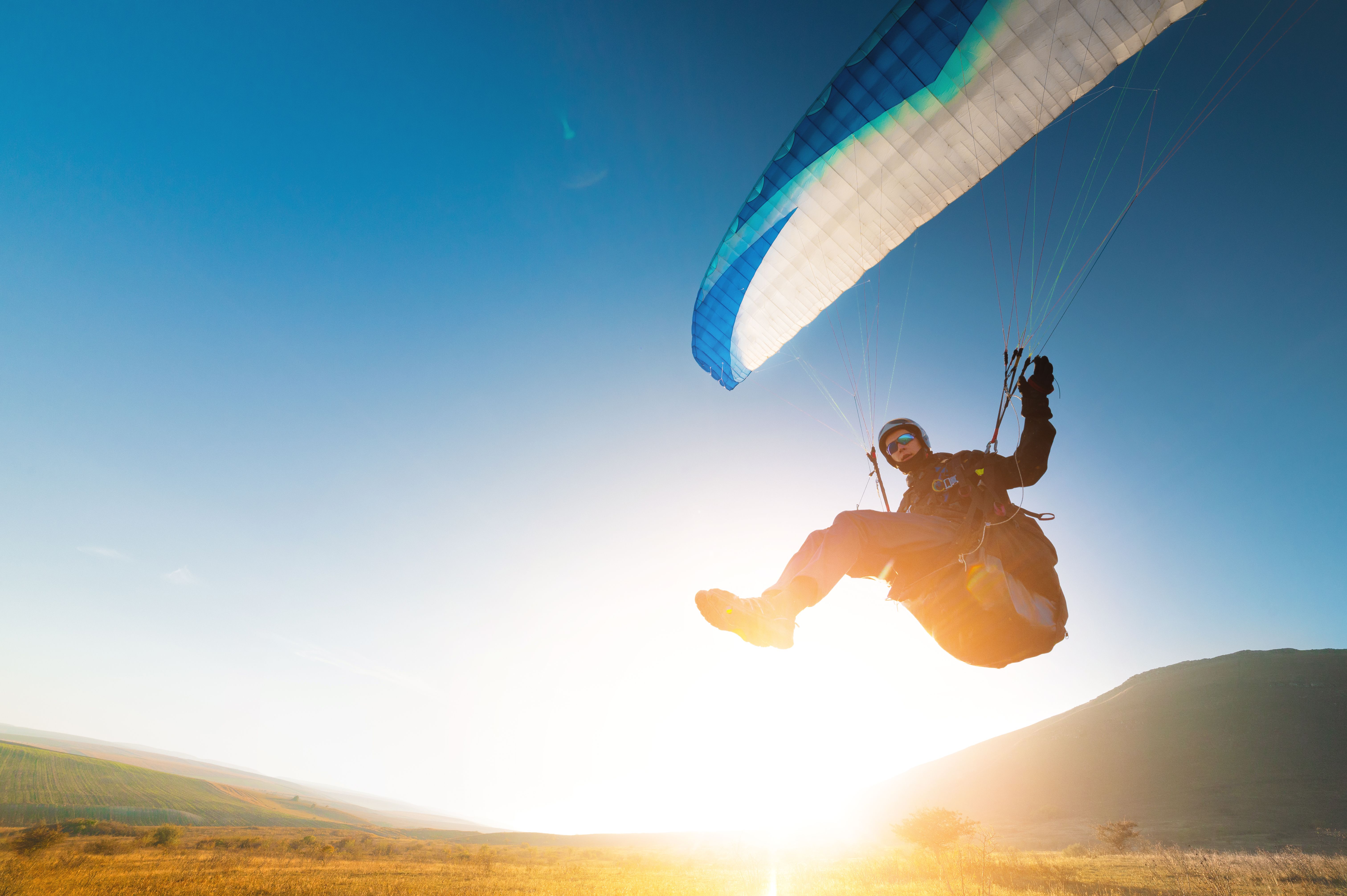
Once you're airborne, maintaining situational awareness is crucial for a safe flight. Always be mindful of your altitude, position, and any changes in weather conditions. Keep communication open with other pilots if you're flying in a group.
Maintain a safe distance from other paragliders and obstacles. Keeping a clear line of sight will help you navigate more effectively and avoid potential collisions. Always prioritize safety over stunts or risky maneuvers.
Handling Emergencies
Even with the best preparations, emergencies can happen. Knowing how to handle them is key to ensuring safety. If you encounter turbulence or lose control, remain calm and follow your training. Deploy your reserve parachute if necessary and aim for a safe landing area.
Post-Flight Safety
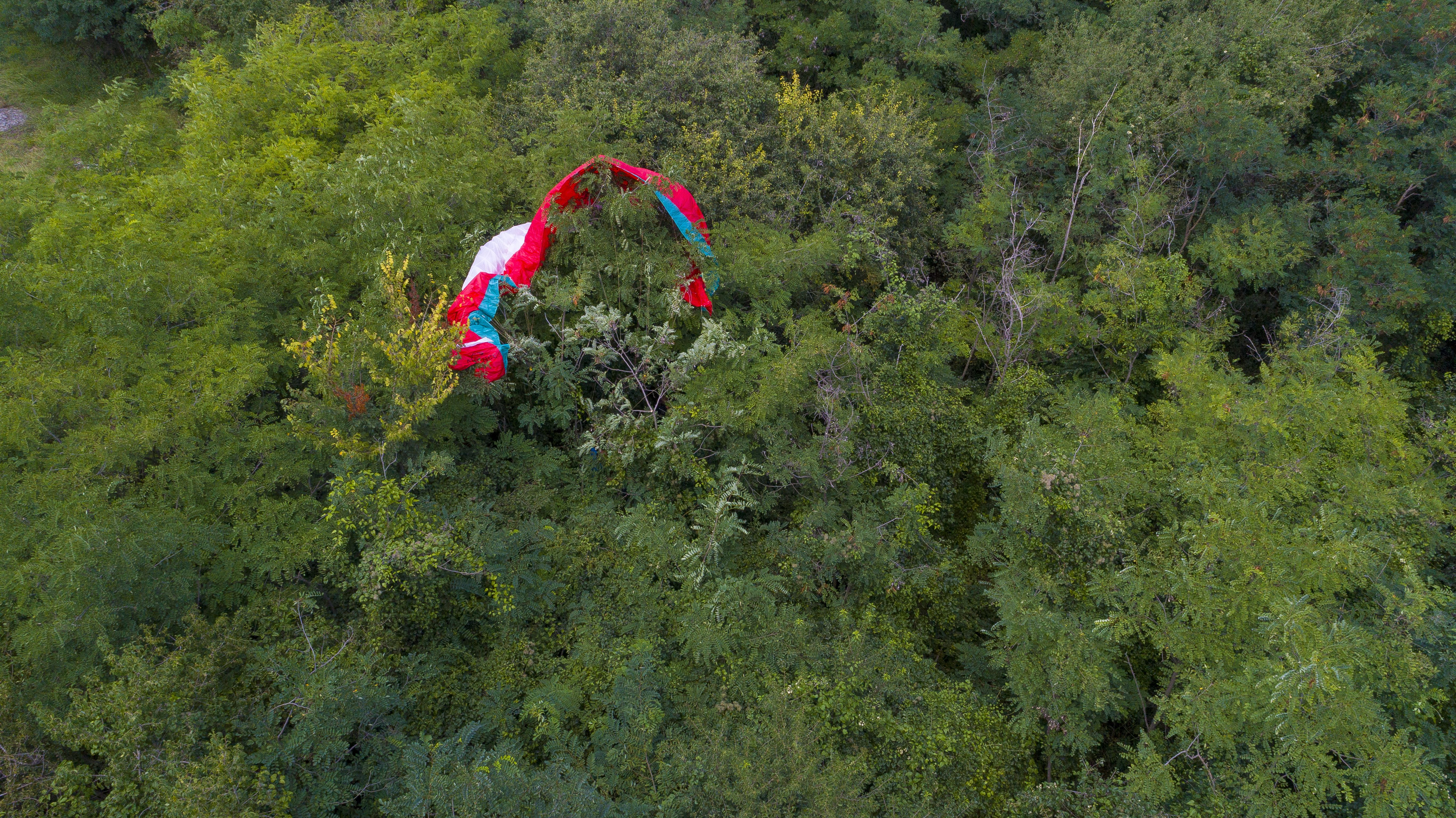
After landing, it’s important to conduct a post-flight inspection of your gear. Check for any damage that may have occurred during the flight and address it before your next adventure. This ensures your equipment remains in top condition.
Reflect on your flight experience, noting any challenges or learnings. This reflection can help improve your skills and enhance safety in future flights. Remember, continuous learning and adaptation are part of becoming a skilled paraglider.
By following these paragliding safety tips, you can enjoy the thrill of flight while minimizing risks. Whether you are a novice or an experienced pilot, prioritizing safety will ensure each flight is as enjoyable as it is safe.