
Paragliding Safety: What Every Beginner Should Know


Understanding the Basics of Paragliding Safety
Paragliding is an exhilarating sport that offers breathtaking views and an adrenaline rush like no other. However, it's essential for beginners to understand the importance of safety before taking to the skies. Proper preparation and awareness can significantly reduce risks and ensure an enjoyable experience.

Choose the Right Equipment
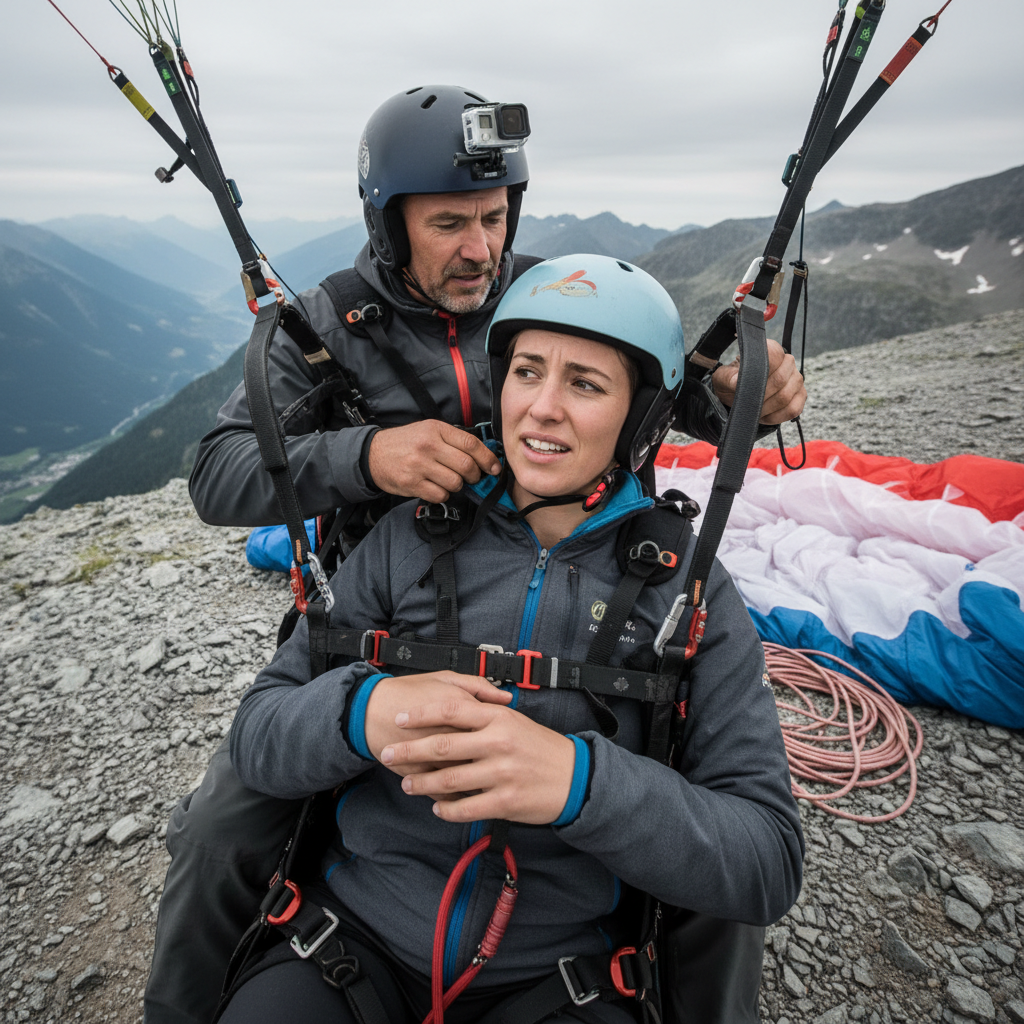
Investing in high-quality gear is crucial for safe paragliding. Beginners should start with a certified paraglider, harness, helmet, and reserve parachute. It's advisable to consult experienced pilots or instructors when selecting equipment to ensure it suits your skill level and body type.
Regular inspections of your gear are essential. Check for any wear and tear, and ensure all components are in good working condition before every flight. Keeping your equipment well-maintained will help prevent accidents.
Training and Skill Development
Enrolling in a certified paragliding school is a critical step for beginners. Qualified instructors provide comprehensive training, covering everything from basic techniques to emergency procedures. This structured learning environment helps build confidence and competence in new pilots.
Continuing education is equally important. As you progress, consider advanced courses to hone your skills further. Regular practice and learning can significantly improve your safety and enjoyment in the sport.
Understanding Weather Conditions
Weather plays a significant role in paragliding safety. Beginners should learn to read weather forecasts and understand how different conditions can affect their flight. Wind speed, direction, and thermal activity are crucial factors to consider.
It's best to avoid flying in strong winds or turbulent conditions, especially as a novice. Always prioritize safety over excitement and be prepared to delay or cancel a flight if the weather is unfavorable.

Pre-Flight Safety Checks
Before every flight, conduct a thorough pre-flight check. Inspect your equipment, verify weather conditions, and ensure you have a clear understanding of the flight plan. This routine helps identify potential issues and boosts confidence before takeoff.
Communicate with other pilots and ground crew to coordinate takeoff and landing procedures. Maintaining clear communication can prevent misunderstandings and promote a safer flying environment.
Emergency Preparedness
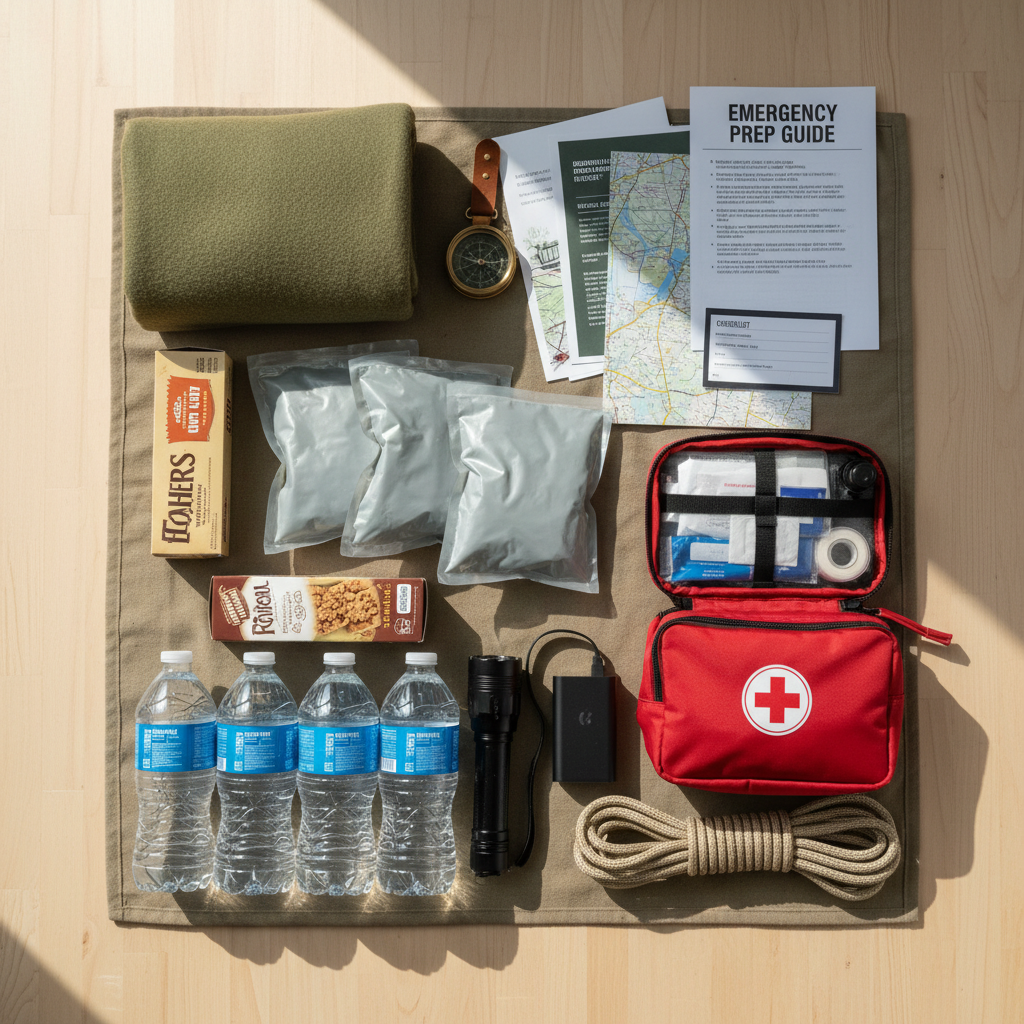
Even with meticulous planning, emergencies can still occur. Familiarize yourself with emergency protocols and practice deploying your reserve parachute in controlled environments. Knowing how to react quickly and efficiently can make a significant difference in critical situations.
Always carry a basic first-aid kit and ensure your mobile phone is fully charged before heading out. These small precautions can be invaluable in an emergency.
Conclusion
Paragliding is a thrilling and rewarding sport, but safety should always be the top priority. By choosing the right equipment, undergoing proper training, understanding weather conditions, and being prepared for emergencies, beginners can enjoy a safe and memorable paragliding experience.
Remember, the sky is a beautiful place, but it demands respect and caution. Fly safe, and enjoy the adventure!