
Paragliding Equipment: What You Need to Know


Understanding Paragliding Equipment
Paragliding is an exhilarating sport that offers breathtaking views and an unparalleled sense of freedom. However, to ensure a safe and enjoyable experience, it's crucial to understand the equipment involved. Whether you're a beginner or a seasoned pilot, knowing your gear inside and out is essential.
The Paraglider Wing
The paraglider wing, or canopy, is the most recognizable piece of equipment. It is designed to catch and control the air, allowing you to glide gracefully through the sky. Wings are made from lightweight materials like ripstop nylon, providing strength without sacrificing agility. When choosing a wing, consider factors like size, weight range, and performance level.
Each wing is rated for different skill levels, from beginner to advanced. Ensure your wing matches your experience to maximize safety and enjoyment. Regular inspections for wear and tear are also recommended to maintain performance.
Harness and Safety Gear
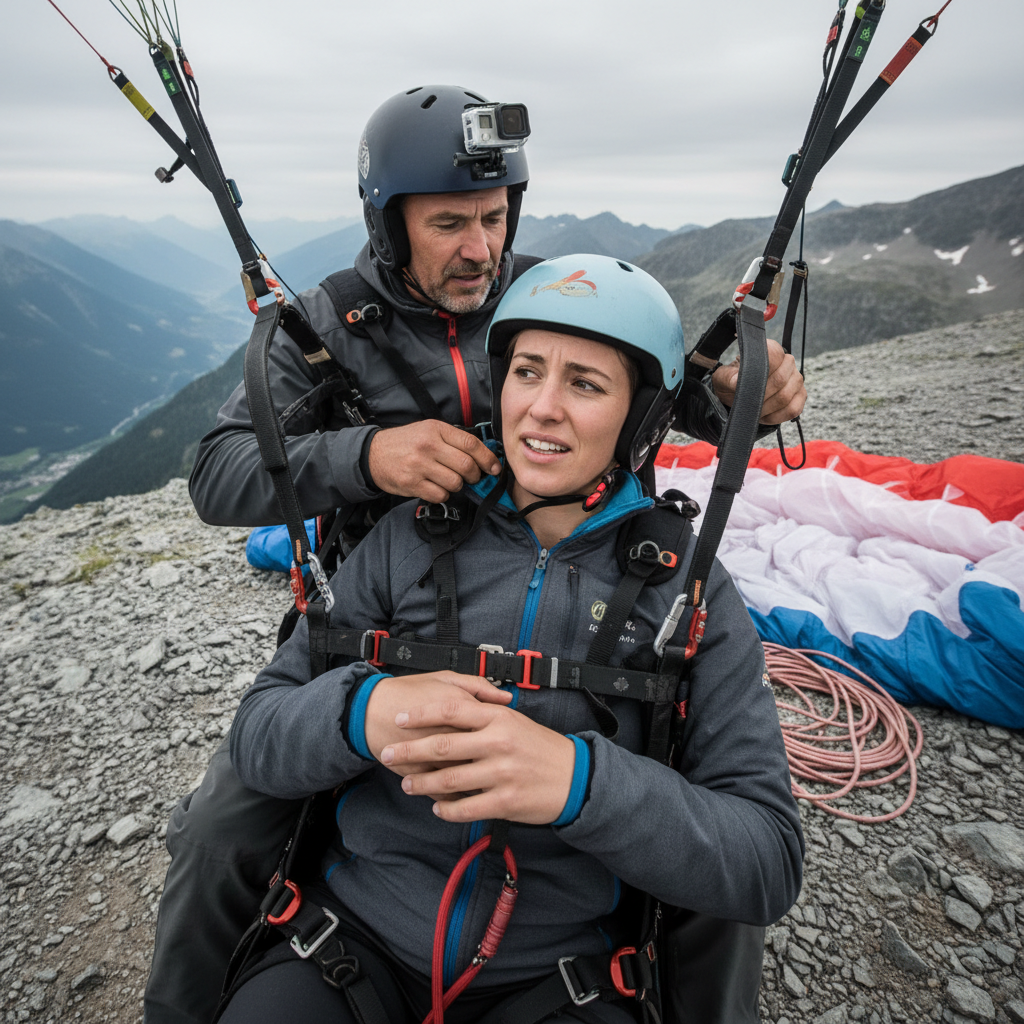
The harness is your connection to the wing, providing both comfort and safety. A good harness will distribute your weight evenly, allowing for longer flights without discomfort. Look for models with ample back support and adjustable straps to ensure a snug fit.
Safety gear is non-negotiable in paragliding. A helmet is essential, protecting you from potential impacts during takeoff or landing. Additionally, consider using reserve parachutes, which can be lifesavers in emergency situations. Other protective gear, such as knee and elbow pads, can offer extra security.
Instruments and Navigation
Modern paragliders often use instruments to enhance their flying experience. Variometers are popular devices that measure vertical speed, helping pilots find thermals and ascend efficiently. GPS units can also be invaluable, offering navigation data and tracking flight paths.
Many pilots opt for integrated flight decks, which combine various instruments into one easy-to-use interface. These tools not only improve performance but also add a layer of safety by providing real-time data.
Clothing and Accessories
Proper clothing is crucial for comfort and protection against the elements. Layering is key, allowing you to adjust as temperatures change during flight. Windproof jackets, thermal layers, and gloves are essential pieces of a paraglider's wardrobe.
Sunglasses with UV protection can shield your eyes from harmful rays and enhance visibility. Additionally, consider investing in a sturdy pair of boots to protect your feet during takeoff and landing.
Maintenance and Care
Maintaining your equipment is vital for longevity and safety. Regular cleaning and inspection of your wing, harness, and other gear will ensure they remain in top condition. Store your equipment in a cool, dry place away from direct sunlight to prevent damage.
Consider attending workshops or consulting with experienced pilots to learn more about gear maintenance. Proper care will not only extend the life of your equipment but also enhance your flying experience.
In conclusion, understanding and investing in the right paragliding equipment is essential for a safe and enjoyable adventure. By familiarizing yourself with each component and its purpose, you'll be well-prepared to explore the skies with confidence.