
Exploring the Latest Paragliding Trends and Innovations


The Rise of Paragliding Popularity
In recent years, paragliding has soared in popularity as more adventure enthusiasts seek the thrill of flying amidst breathtaking landscapes. From the Alps to the Andes, paragliding has transformed into a mainstream recreational activity, attracting a diverse range of participants.
The sport's growth can be attributed to advancements in technology and safety, making it accessible to both beginners and seasoned flyers. Paragliding schools have adapted innovative training methods to ensure a safe and exhilarating experience for all.

Technological Innovations in Paragliding Equipment
One of the most significant trends in paragliding is the development of lightweight and durable materials for paragliders. Modern wings are crafted from high-tech fabrics that enhance performance while ensuring safety. These materials allow for more precise control and better flight stability.
Additionally, the integration of **advanced GPS systems** and **flight instruments** has revolutionized navigation. Pilots can now track their altitude, speed, and location in real-time, providing valuable data to enhance their flying skills.
Harness Design Improvements
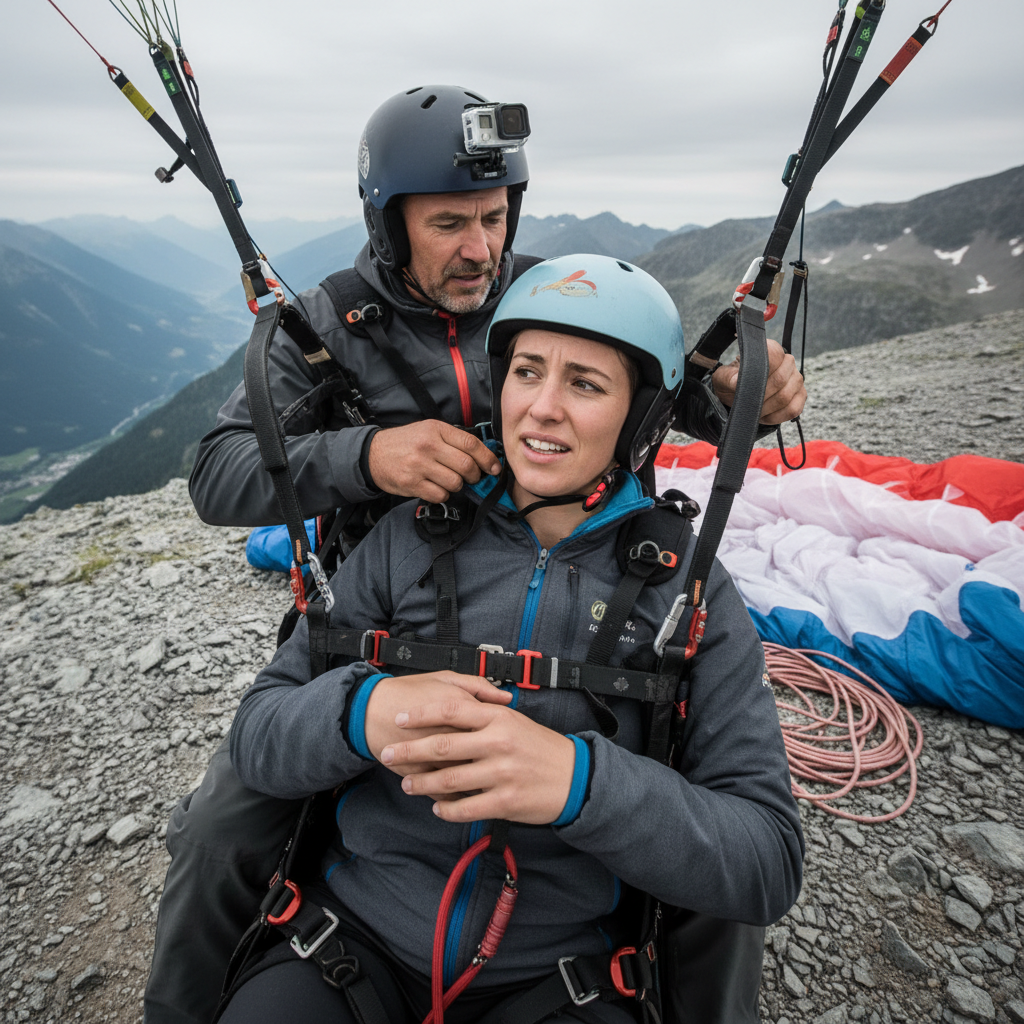
The evolution of harnesses has also played a crucial role in paragliding safety. New designs focus on ergonomics and comfort, allowing pilots to maintain better posture during flights. Some harnesses now include **built-in reserve parachutes** and impact protection, adding an extra layer of security.
Environmentally Friendly Practices
As environmental consciousness grows, the paragliding community is embracing sustainable practices. Many manufacturers are now using eco-friendly materials and processes to reduce their carbon footprint. This shift not only benefits the environment but also appeals to eco-conscious enthusiasts.
Paragliding events and competitions are increasingly emphasizing sustainability, encouraging participants to adopt green practices such as minimizing waste and respecting natural habitats.
The Future of Paragliding
The future of paragliding looks promising, with ongoing innovations poised to enhance the sport further. Researchers are exploring **artificial intelligence** to assist pilots with real-time decision-making, potentially transforming competitive paragliding.
Moreover, virtual reality training programs are being developed to simulate flight scenarios, allowing beginners to gain experience in a controlled environment before taking to the skies.

Community and Connectivity
With the rise of social media and online platforms, paragliding communities are more connected than ever. Pilots can share experiences, tips, and advice, fostering a supportive network for newcomers and veterans alike. This connectivity has also facilitated the organization of international paragliding festivals and events, bringing together enthusiasts from around the globe.
As the sport continues to evolve, the sense of community and shared passion remains at its core, driving paragliding toward new horizons.