
Expert Insights: Choosing the Right Paragliding Gear


Understanding Your Needs
Choosing the right paragliding gear begins with understanding your specific needs. Are you a beginner, intermediate, or advanced pilot? Each level requires different equipment tailored to skill and experience. Beginners should look for gear that offers extra stability and ease of control, while advanced pilots might prioritize performance and agility.
Consider the type of paragliding you plan to pursue. Cross-country flying, acro, or hike and fly all have unique requirements. Your choice of gear should align with your flying goals, ensuring safety and enjoyment.
Wing Selection
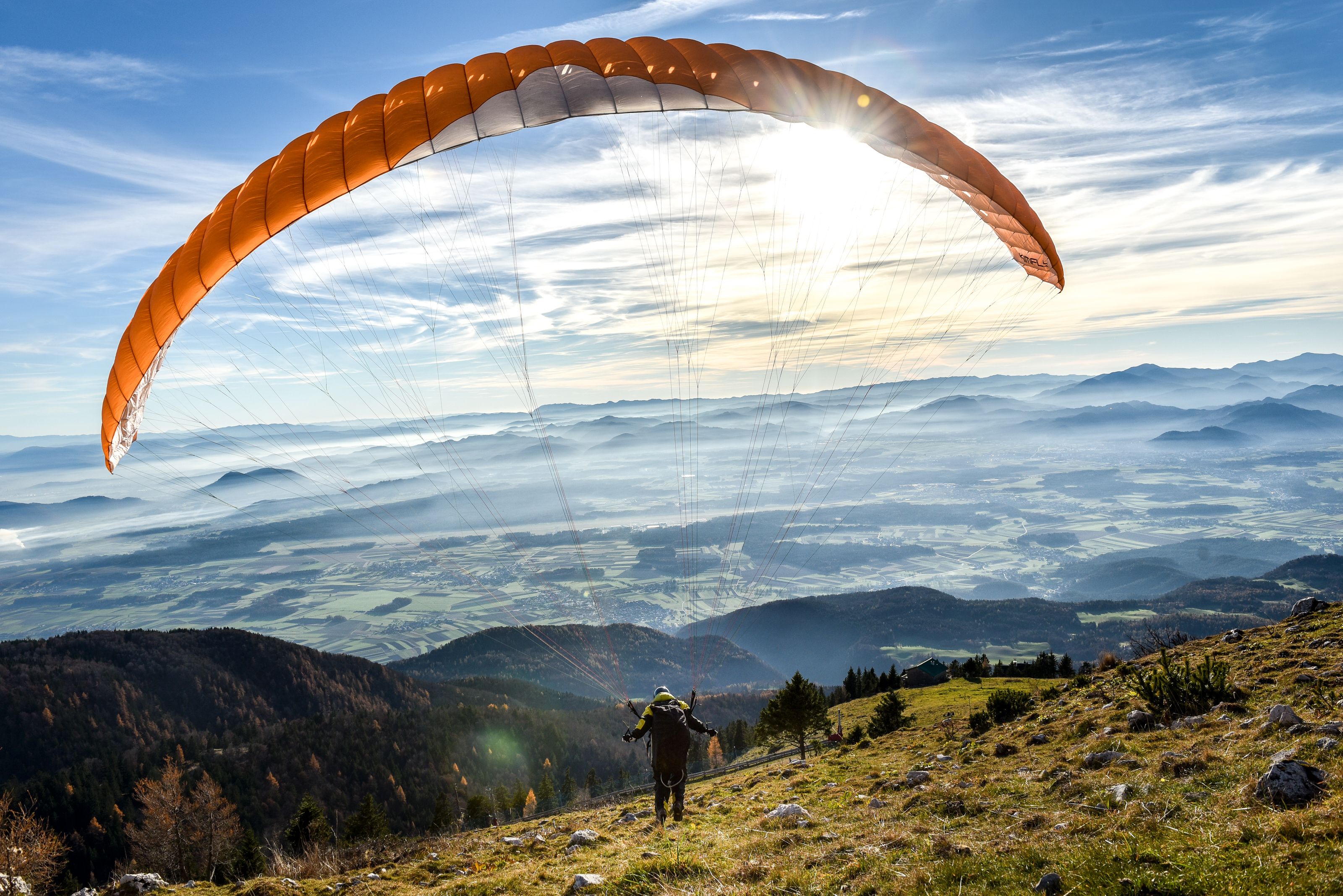
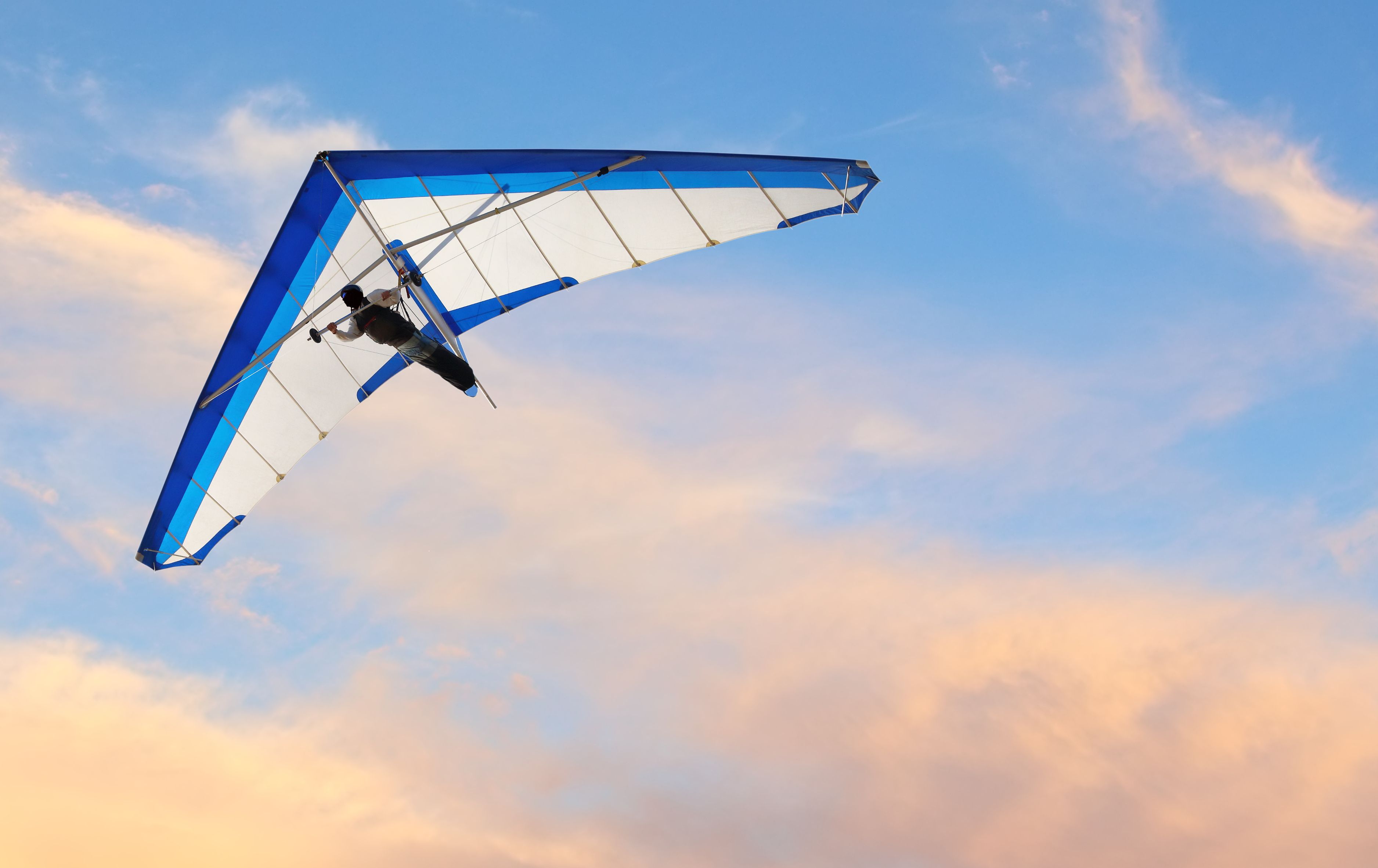
The wing is arguably the most critical piece of paragliding gear. It’s essential to choose a wing that matches your skill level and flying style. Beginners should opt for EN A-rated wings, which offer maximum safety and stability. Intermediate and advanced pilots can explore EN B or EN C wings for more dynamic flying experiences.
When selecting a wing, consider its size and weight capacity. A properly sized wing will improve your control and handling, ensuring a safer flight. Consult with experts or instructors if you're unsure about the right wing for you.
Understanding Wing Ratings
Wing ratings provide insights into their performance and safety. The EN rating system, ranging from A to D, determines the wing's suitability for different pilot levels. EN A wings are ideal for beginners, while EN D wings are reserved for highly experienced pilots seeking advanced performance.
Harness Considerations
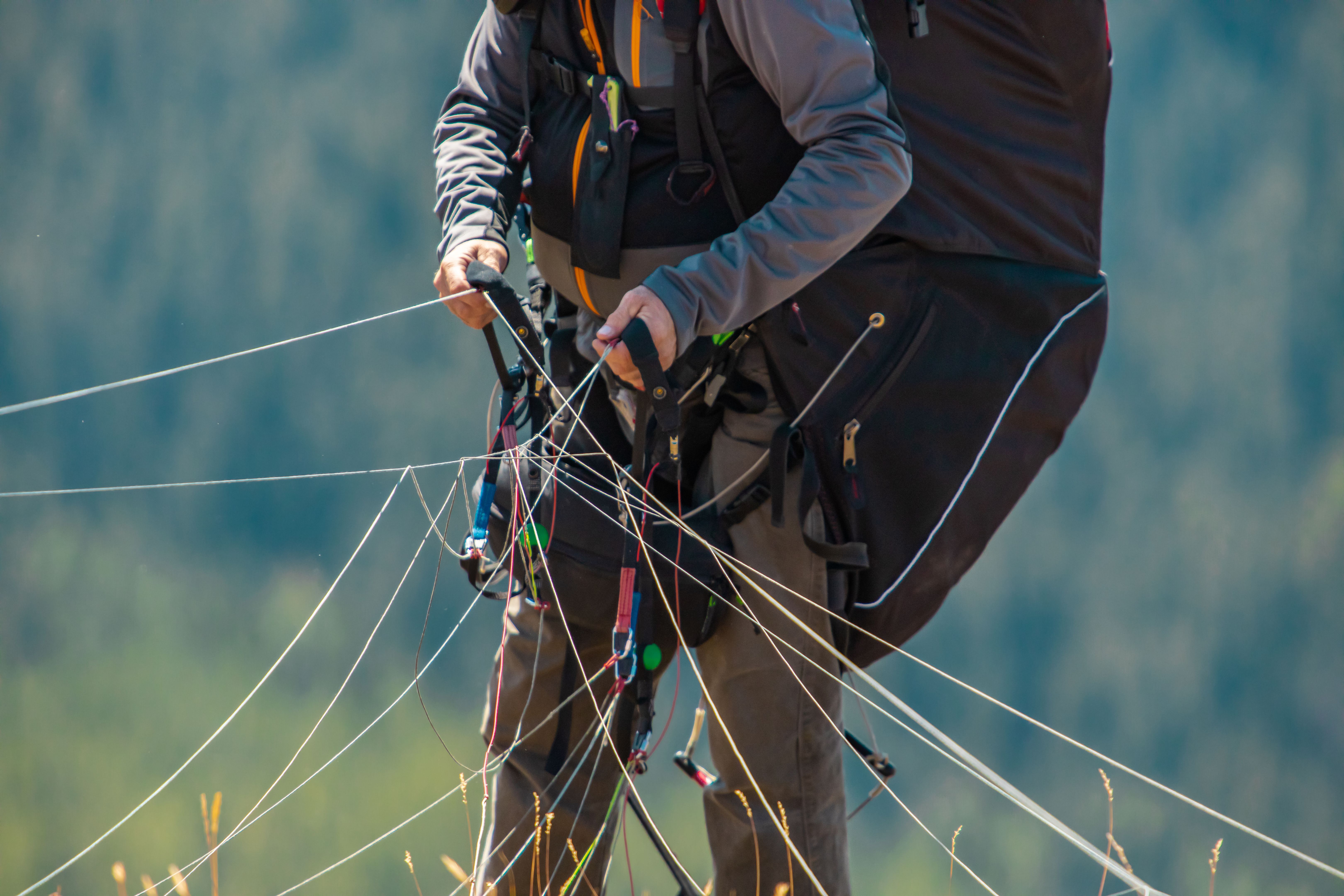
Your harness is your connection to the wing, making comfort and safety paramount. Look for a harness that offers adequate back support and is adjustable to fit your body comfortably. A well-fitting harness reduces fatigue and enhances control during flight.
Features such as airbag protection, reserve parachute containers, and easy access pockets can enhance your flying experience. Prioritize these elements based on your specific needs and flying style.
Weight and Portability
If you plan on hike and fly expeditions, consider the weight and portability of your harness. Lightweight harnesses are more comfortable to carry, but ensure they don’t compromise on safety and comfort during flight.
Additional Gear
Beyond wings and harnesses, several additional pieces of gear are crucial for a safe and enjoyable paragliding experience. Helmets, gloves, and suitable footwear are essential. Helmets should meet safety standards and fit securely, while gloves protect your hands and enhance grip.
Instruments like variometers, GPS devices, and radios can enhance your flying experience by providing essential flight data and communication capabilities. Choose devices that are easy to use and align with your flying objectives.
Safety Equipment
Safety should always be a priority. Consider investing in a reserve parachute, which can be a lifesaver in emergency situations. Regularly inspect and maintain all your gear to ensure optimal performance and safety.
- Inspect your gear before each flight.
- Stay updated with weather conditions.
- Always fly within your skill level.
Choosing the right paragliding gear is a crucial step in your flying journey. By understanding your needs, selecting appropriate equipment, and prioritizing safety, you'll set yourself up for success in the skies.